ما هي المقطورة التي يجب أن تتطابق مع شاحنة جرار HOWO مستعملة لنقل الحاويات؟
يجب أن تتطابق شاحنة جرار HOWO المستخدمة عادةً مع هيكل حاوية هيكلي ثلاثي المحاور بطول 40 قدمًا لنقل الحاويات، خاصة عندما تتجاوز البضائع 20-25 طنًا أو تتجاوز الطرق الداخلية 300-500 كم.
1. عادة ما يكون هيكل الحاوية الهيكلي ثلاثي المحاور هو الأفضل
بالنسبة لمعظم عمليات نقل الحاويات التي يبلغ طولها 40 قدمًا، يجب أن تكون شاحنة الجرار HOWO 6x4 المستخدمة متطابقة مع هيكل حاوية هيكلي ثلاثي المحاور. يوفر هذا الإعداد توزيعًا أفضل للحمل، ودعمًا أقوى للفرملة، وثباتًا أكثر أمانًا من المقطورة ذات المحورين على الطرق الداخلية الثقيلة.
إذا تجاوزت حمولة الحاوية 20-25 طنًا، أو كان طريق النقل أطول من 300-500 كيلومتر، فعادةً ما يكون الهيكل ثلاثي المحاور هو الخيار الأكثر أمانًا. يجب اختيار المقطورة وفقًا لوزن الحمولة الحقيقي، وليس فقط حجم الحاوية أو سعر الشراء.
توضح المنظمة البحرية الدولية أن اتفاقية SOLAS تتطلب الكتلة الإجمالية التي تم التحقق منها للحاوية المعبأة قبل تحميل السفينة. يعد هذا الوزن مهمًا لتخطيط الطريق أيضًا، لأنه يؤثر على حمل المحور واختيار المقطورة وضغط الإطارات وسلامة الفرامل. (imo.org)
2. ما أهمية مطابقة المقطورات لشاحنات الجرارات HOWO المستعملة
تؤثر مطابقة المقطورة على مسافة الكبح، وضغط العجلة الخامسة، وتآكل الإطارات، واستخدام الوقود، وثبات الدوران، ووقت التوقف عن العمل. قد يظل أداء جرار HOWO المستخدم بقدرة 371 حصانًا أو 430 حصانًا سيئًا إذا كان إطار المقطورة أو المحاور أو الفرامل أو الأقفال الملتوية غير مناسبة.
تشتمل مجموعة نقل الحاويات على 6 عوامل وزن على الأقل: الوزن الفارغ للجرار، والوزن الفارغ للمقطورة، والوزن الفارغ للحاوية، ووزن الحمولة، والوقود، والمعدات الاحتياطية. إذا لم يتم حساب هذه القيم معًا، فقد تتجاوز السيارة الحدود القانونية للطرق أو المحاور.
للمشترين مقارنةشاحنات جرار HOWO مستعملةيجب التحقق من مطابقة المقطورة قبل الدفع. يعد ارتفاع العجلة الخامسة وحجم الدبوس وموضع خرطوم الفرامل والتوصيل الكهربائي من التفاصيل العملية التي تؤثر على كل رحلة.
3. هيكل الحاوية 40 قدم مقابل المقطورة المسطحة: أيهما أفضل؟
عادةً ما يكون هيكل الحاوية الهيكلية بطول 40 قدمًا أفضل للعمل العادي للحاويات لأنه يؤمن الحاوية بأقفال ملتوية في نقاط ثابتة. إنها أخف وزنًا وأسرع في العمل في الموانئ وأكثر تخصصًا من المقطورة المسطحة العامة.
تكون المقطورة المسطحة أكثر مرونة إذا كان المشتري يحمل أيضًا الفولاذ أو الأخشاب أو الأنابيب أو الآلات أو الحقائب أو البضائع المنقولة على منصات نقالة. ومع ذلك، بالنسبة لنقل الحاويات النقي، قد تضيف الأرضية المسطحة وزنًا فارغًا إضافيًا وتتطلب معدات قفل إضافية أو أعمال تأمين البضائع.
بالنسبة للمشغلين الذين تزيد رحلاتهم الشهرية عن 70% من نقل الحاويات، فإن الهيكل العظمي عادة ما يكون الخيار الأفضل. إذا كانت رحلات الحاويات أقل من 50% وكانت البضائع المختلطة متكررة، فقد تكون المقطورة المسطحة أو متعددة الوظائف أكثر عملية.
4. المواصفات الرئيسية التي يجب التحقق منها قبل مطابقة المقطورة
مواصفات المقطورة الرئيسية هي رقم المحور، والحمولة المقدرة، وحجم الدبوس، وارتفاع العجلة الخامسة، وحجم الإطار، ونظام الكبح، ونوع التعليق، ومواضع القفل الملتوي، ومعدات الهبوط، وحالة الإطار. تحدد هذه النقاط العشر ما إذا كانت المقطورة تتوافق مع الجرار بأمان.
بالنسبة لشاحنة جرار HOWO 6x4 مستعملة، يختار العديد من المشترين مقطورة ثلاثية المحاور بإطارات 12R22.5 أو 315/80R22.5 وفرامل هوائية كاملة ونظام تعليق ميكانيكي أو هوائي. يجب التحقق من عمر الإطار وعمق المداس وتلف الجدار الجانبي قبل الشحن.
يجب أن تدعم المقطورة حاوية بحجم 1 × 40 قدمًا، ومن الناحية المثالية، مواضع حاوية بحجم 1 × 20 قدمًا أو 2 × 20 قدمًا. المشترين مصادر مطابقةنصف مقطورة من الصينيجب تأكيد تخطيط القفل الملتوي بالصور والأبعاد قبل التحميل.
5. كيف تؤثر محاور المقطورة والإطارات والفرامل على نقل الحاويات
تقوم المقطورة ذات 3 محاور بتوزيع وزن الحاوية بشكل أفضل من المقطورة ذات المحورين، خاصة عندما تتجاوز الحمولة 20-25 طنًا. يعمل التوزيع الأفضل للحمل على تقليل الحمل الزائد للإطارات وضغط التعليق والكبح غير المستقر على الطرق الوعرة أو المنحدرة.
يجب أن يتطابق نظام فرامل المقطورة مع نظام فرامل الهواء الكامل لجرار HOWO. يجب فحص خطوط الهواء، وصمامات الترحيل، وغرف الفرامل، والأسطوانات، وتكوين نظام ABS لأن فرامل المقطورة الضعيفة تدفع قوة إيقاف كبيرة جدًا إلى الجرار.
بالنسبة للطرق الطويلة في نيجيريا وغانا وكينيا وتنزانيا وزامبيا وجنوب أفريقيا، فإن حرارة الإطارات هي تكلفة تشغيل حقيقية. في الرحلات التي تزيد عن 500 كيلومتر، يمكن أن تتسبب الإطارات القديمة أو سوء المحاذاة في حدوث انفجارات وتأخير وتكاليف إصلاح جانب الطريق.
6. مطابقة اختيار المقطورة مع الموانئ الأفريقية والطرق الداخلية
يجب أن يتبع اختيار المقطورة المسار. قد يستخدم تسليم الميناء القصير في نطاق 50-150 كم هيكلًا قياسيًا، في حين أن الطرق الداخلية مثل مومباسا-كمبالا، ودار السلام-لوساكا، وتيما-كوماسي، ولاغوس-كانو تحتاج إلى محاور أقوى وإطارات أفضل.
يتتبع البنك الدولي حركة الحاويات في الموانئ في وحدات TEU بناءً على بيانات الأونكتاد. يساعد هذا المؤشر في توضيح كيفية ارتباط حركة الحاويات في الموانئ بالطلب على الشحن الداخلي، واستخدام الشاحنات، والحاجة إلى مجموعات موثوقة من الجرارات والمقطورات. (data.worldbank.org)
ويذكر بنك التنمية الأفريقي أن البنية التحتية للنقل تدعم الوصول إلى الأسواق، وحركة البضائع، والاتصالات الإقليمية، وانخفاض تكاليف النقل على طول الممرات الوطنية والإقليمية وعبر أفريقيا. ولهذا السبب، فإن متانة المقطورة مهمة بقدر أهمية القدرة الحصانية للجرارات في الخدمات اللوجستية الأفريقية. (afdb.org)
7. الأخطاء الشائعة عند إقران جرار HOWO المستعمل بمقطورة
الخطأ الأول هو شراء أرخص مقطورة دون التحقق من استقامة الإطار وحالة الإطارات والفرامل ومعدات الهبوط والأقفال الملتوية. يمكن لمقطورة واحدة ضعيفة أن تتسبب في فشل 3-5 رحلات شهريًا، حتى عندما يكون الجرار نفسه قويًا.
الخطأ الثاني هو تجاهل توافق العجلة الخامسة والمحور الرئيسي. يمكن أن يؤدي عدم التطابق في ارتفاع أداة التوصيل، أو تخطيط خط الهواء، أو حالة الدبوس الرئيسي إلى حدوث دوران غير مستقر، أو تسرب الهواء، أو تآكل غير متساوي للإطارات، أو مشاكل اقتران متكررة أثناء العمل اليومي في المنفذ.
الخطأ الثالث هو استخدام المسطحة لجميع أعمال الحاويات دون قفل مناسب. ينبغي تأمين الحاوية التي يبلغ حجمها 20 قدمًا أو 40 قدمًا عن طريق أقفال ملتوية تعمل في 4 نقاط، ولا يتم التعامل معها مثل البضائع السائبة المقيدة بالسلاسل فقط.
8. يوصى بإعداد المقطورة لنقل الحاويات بطول 20 قدمًا و40 قدمًا
بالنسبة لمعظم عمليات نقل الحاويات الأفريقية، فإن الإعداد الموصى به هو جرار HOWO 6x4 مستعمل ومتوافق مع هيكل هيكلي ثلاثي المحاور بطول 40 قدمًا. يجب أن تدعم المقطورة مواضع الحاويات مقاس 1 × 40 قدمًا، و1 × 20 قدمًا، ومن الناحية المثالية 2 × 20 قدمًا.
يشتمل التكوين العملي على 3 محاور، وإطارات 12R22.5 أو 315/80R22.5، ومكابح هوائية كاملة، ومعدات هبوط قوية، وعوارض رئيسية مستقيمة، و4 أقفال ملتوية للعمل للحاويات مقاس 40 قدمًا، ووصلات مكابح وإضاءة مرئية.
يجب على المشترين الذين يحملون كلاً من الحاويات وبضائع البناء أن يفصلوا حالات الاستخدام. أشاحنة قلابة مستعملة HOWOيعد هذا أفضل بالنسبة لنقل الرمل والحصى والموقع، في حين أن الجرار بالإضافة إلى هيكل الحاوية أفضل للخدمات اللوجستية في الموانئ.
قائمة التحقق من الإعداد الموصى بها
بالنسبة لنقل الحاويات العادية بطول 40 قدمًا، يجب على المشترين البدء بهذا الإعداد:
| غرض |
المواصفات الموصى بها |
| جرار |
شاحنة جرار HOWO 6x4 مستعملة |
| محرك |
371 حصانًا للطرق العادية، 430 حصانًا للطرق الثقيلة أو الجبلية |
| جَرَّار |
هيكل حاوية هيكلي 3 محاور 40 قدم |
| حجم الإطارات |
12R22.5 أو 315/80R22.5 |
| نظام الفرامل |
نظام فرامل الهواء الكامل |
| دعم الحاويات |
أوضاع 1 × 40 قدمًا أو 1 × 20 قدمًا أو 2 × 20 قدمًا |
| أقفال |
4 أقفال ملتوية للعمل للحاويات مقاس 40 قدمًا |
| أفضل استخدام |
نقل الحاويات من الميناء إلى الداخل |
يكون هذا الإعداد أكثر ملاءمة عندما تكون الحاويات في كثير من الأحيان أعلى من 20 طنًا، أو تتجاوز المسارات 300 كيلومتر، أو يشمل التسليم ساحات صعبة وطوابير انتظار الموانئ والجسور والممرات الداخلية. لا يزال يتعين على المشترين التحقق من قواعد تحميل المحور المحلية قبل التشغيل.
التعليمات
ما هي المقطورة الأفضل لشاحنة جرار HOWO مستعملة؟
عادةً ما يكون هيكل الحاوية الهيكلية ثلاثي المحاور بطول 40 قدمًا هو الأفضل.
هل المقطورة الهيكلية أفضل من المسطحة؟
نعم، لأعمال الحاويات العادية. إنه أخف وزنًا ويستخدم أقفال ملتوية.
هل يمكن للمقطورة المسطحة حمل الحاويات؟
نعم، ولكنه يحتاج إلى أقفال ملتوية صحيحة ومواضع آمنة للحاويات.
هل تكفي المقطورة ذات المحورين لحاويات 40 قدم؟
عادةً لا يكون ذلك مخصصًا للبضائع الثقيلة أو الطرق السيئة أو الطرق الداخلية الطويلة.
ما هو حجم الإطارات الشائع لمقطورات الحاويات؟
يعد 12R22.5 و315/80R22.5 من الخيارات الشائعة للخدمة الشاقة.
هل يمكن لمقطورة واحدة أن تحمل حاويات 20 قدم و40 قدم؟
نعم، إذا كان يحتوي على مواضع قفل ملتوية صحيحة لكلا الحجمين.
هل يجب أن أشتري جرارًا ومقطورة معًا؟
نعم. تؤدي مطابقة كلاهما إلى تقليل مشاكل العجلة الخامسة والفرامل والارتفاع.
ما هو وزن الحمولة الذي يحتاجه مقطورة ذات 3 محاور؟
تحتاج البضائع التي يزيد وزنها عن 20-25 طنًا عادةً إلى دعم أقوى ثلاثي المحاور.
مصادر
المنظمة البحرية الدولية: تم التحقق من متطلبات الكتلة الإجمالية للحاويات المعبأة.
مؤشرات البنك الدولي للتنمية العالمية: حركة الحاويات في الموانئ مقاسة بوحدات TEU.
مجموعة بنك التنمية الأفريقي: نظرة عامة على قطاع النقل فيما يتعلق بممرات التجارة والبنية التحتية الأفريقية.
بقلم: فريق التحرير ألستون موتورز
تمت المراجعة من قبل: فريق التصدير والفني
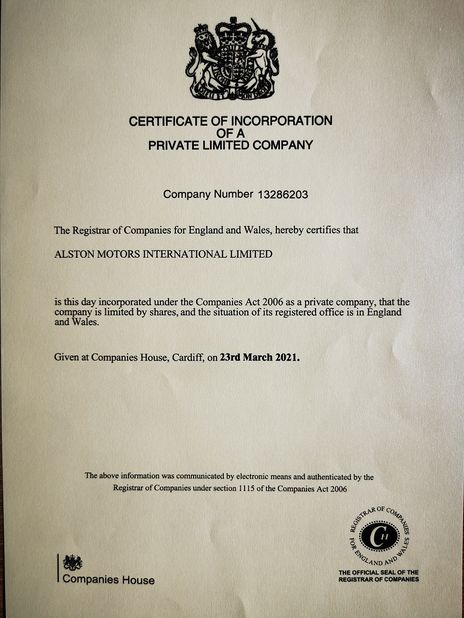
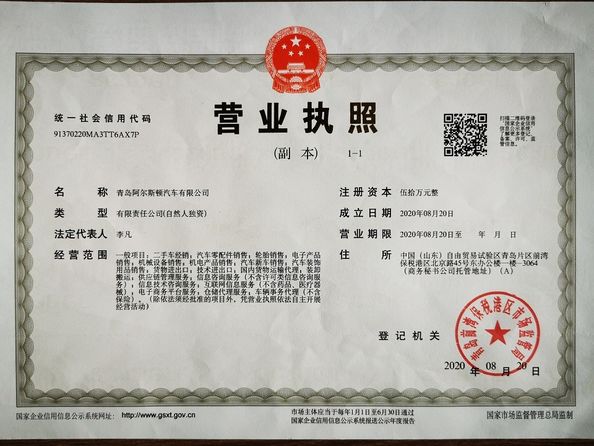
الشركة: شركة تشينغداو ألستون موتورز المحدودة
حول فريق التحرير في ألستون موتورز:
يشارك فريق التحرير في Alston Motors رؤى عملية حول شاحنات HOWO المجددة وشبه المقطورات والمركبات التجارية والسيارات المستعملة وحلول التصدير لأفريقيا والأسواق النامية الأخرى. يعتمد المحتوى على خبرة الشركة في فحص المركبات، وتجديدها، وتنسيق التصدير، ودعم قطع الغيار، وخدمة العملاء للمشترين في الخارج.

 يجب أن تكون رسالتك بين 20-3000 حرف!
 Arabic