ما هي سعة الخزان المناسبة لشاحنة خزان الوقود HOWO المستخدمة لتزويد محطات الوقود؟
عادةً ما تكون شاحنة خزان الوقود HOWO المستخدمة بسعة 15000 لتر إلى 25000 لتر هي الخيار الأكثر عملية لتزويد محطات الوقود. يوازن تكوين 6 × 4 هذا بين الحمولة الصافية والوصول إلى الطريق وكفاءة توصيل الوقود وتصميم المقصورة وتكلفة الصيانة وتوافر التصدير للمشترين الذين يخدمون محطات وقود التجزئة.
1. مطابقة سعة ناقلة الوقود مع الطلب على تخزين محطة الوقود
يجب أن تتوافق ناقلة الوقود مع مساحة التخزين المتاحة تحت الأرض في المحطة، وليس فقط حجم الشاحنة المفضل لدى المشتري.
قبل اختيار ناقلة سعة 20,000 لتر، أو 25,000 لتر، أو 30,000 لتر، يجب على المشترين التأكد من سعة الخزان تحت الأرض، والمحتوى المتبقي من الوقود، ومعدل دوران الوقود اليومي. يمكن أن يؤدي إرسال شاحنة سعة 30000 لتر إلى محطة بها 18000 لتر فقط من مساحة التخزين المتاحة إلى تأخير التسليم، أو التفريغ الجزئي، أو خطر الفائض، أو مسافة إرجاع إضافية.
بالنسبة للعديد من محطات الوقود المستقلة، تعمل دورة التجديد التي تبلغ 48 ساعة بشكل أفضل من التسليم بكميات كبيرة. فالشاحنة الصغيرة جدًا تزيد من تكلفة السائق واستهلاك الوقود لكل لتر يتم تسليمه. قد تنتقل الشاحنة الكبيرة جدًا بنصف حمولة، مما يتسبب في تدفق السوائل، وضغط التعليق، وانخفاض كفاءة النقل.
2. اختر هيكل HOWO المناسب: 4x2، 6x4، أو 8x4
يحدد تكوين هيكل HOWO حجم الخزان الآمن، والحمولة القانونية، والوصول إلى الطريق، وتكلفة الصيانة على المدى الطويل.
عادةً ما تحمل شاحنة خزان الوقود 4 × 2 ما بين 5000 لتر إلى 12000 لتر وتعمل بشكل أفضل للمحطات الحضرية الصغيرة، وتزويد الأسطول الخاص بالوقود، ونقاط التسليم الريفية. عادة ما تحمل ناقلة الوقود HOWO 6×4 ما بين 15000 لتر إلى 25000 لتر، مما يجعلها الخيار الأكثر توازناً لتزويد محطة الوقود القياسية.
بالنسبة لمحطات الطرق السريعة الكبيرة، أو توصيل البضائع السائبة من مستودع إلى محطة، أو شبكات الوقود ذات معدل الدوران العالي، يمكن لناقلة HOWO 8 × 4 أن تحمل حوالي 30.000 لترًا إلى 38.000 لترًا. ومع ذلك، يجب على المشترين التحقق من قواعد حمولة المحور المحلية، وحدود الجسور، ونصف قطر الدوران، وطرق الوصول قبل اختيار ناقلة صلبة كبيرة.
يمكن للمشترين الذين يقومون بمقارنة أحجام الشاسيه والخزان مراجعة ذلكشاحنات خزان الوقود HOWO مستعملة للبيعلمطابقة تكوين الشاحنة مع طرق التسليم الحقيقية وطلب المحطة.
| هيكل HOWO |
سعة الخزان العملية |
نطاق تدابير بناء الثقة |
تطبيق مناسب |
| هوو 4x2 |
5,000 لتر - 12,000 لتر |
5-12 تدابير بناء الثقة |
المحطات الصغيرة، أسطول التزود بالوقود، والإمدادات الريفية |
| هوو 6x4 |
15,000 لتر - 25,000 لتر |
15-25 متر مكعب |
محطات الوقود القياسية، وتجار التجزئة في المدينة، والتسليم الإقليمي |
| هووا 8x4 |
30.000 لتر – 38.000 لتر |
30-38 متر مكعب |
محطات الطرق السريعة، ومستودعات الوقود، والخدمات اللوجستية ذات الحجم الكبير |
3. استخدم الخزانات متعددة الأجزاء لتوصيل البنزين والديزل
يجب أن تستخدم شاحنة الوقود التي تزود محطات الوقود حجرات منفصلة عند حمل درجات وقود مختلفة.
غالبًا ما تحتاج محطات البيع بالتجزئة الحديثة إلى تسليم البنزين والبنزين الفاخر والديزل في نفس الرحلة. لا يمكن للخزان ذو الحجرة الواحدة أن يحمل منتجات مختلفة معًا بشكل آمن. يؤدي خلط درجات الوقود إلى الإضرار بجودة المنتج، ويثير شكاوى العملاء، وقد يتسبب في خسارة مالية لمشغل المحطة.
يمكن تقسيم خزان الوقود العملي سعة 20,000 لتر إلى ثلاث حجرات، مثل 10,000 لتر / 5,000 لتر / 5,000 لتر. يجب أن يكون لكل حجرة صمام تفريغ خاص بها، وخط أنابيب، وغطاء فتحة، ونظام إغلاق. وهذا يقلل من مخاطر التلوث المتبادل ويسمح لشاحنة واحدة بإكمال تسليم الصنف المختلط بكفاءة أكبر.
4. تحقق من إجمالي الوزن الإجمالي وحدود حمولة المحور قبل تحديد السعة
غالبًا ما تحدد حدود الحمولة القانونية سعة الوقود الحقيقية القابلة للاستخدام أكثر من الحجم الفعلي للخزان.
يزن البنزين حوالي 0.74 كجم/لتر، بينما يبلغ وزن الديزل عادة حوالي 0.84 كجم/لتر. يمكن لحمولة ديزل تبلغ 25000 لتر أن تضيف حوالي 21 طنًا متريًا من الحمولة السائلة قبل حساب جسم الخزان والشاسيه والوقود والسائق والإطار الاحتياطي والملحقات.
في العديد من الأسواق الأفريقية، يمكن أن تؤثر الجسور ونقاط التفتيش الحدودية والجسور الريفية وإنفاذ الحمولة المحورية بشدة على الحمولة العملية لشاحنات صهاريج الوقود. لا ينبغي للمشترين اختيار ناقلة سعة 30000 لتر أو 38000 لتر فقط لأنها تبدو أكثر ربحية على الورق.
لتخطيط الاستيراد، يمكن للمشترين أيضًا مراجعة أدليل استيراد الشاحنات HOWOقبل التأكد من الحجم النهائي للناقلة وطريقة الشحن ومتطلبات بلد الوجهة.
5. قارن مسافة النقل بتكلفة توصيل الوقود
عادة ما تبرر طرق التسليم الأطول وجود ناقلة أكبر، في حين أن طرق التسليم القصيرة في المدينة قد تفضل شاحنة أصغر.
بالنسبة للتسليم من المستودع إلى المحطة لمسافة تزيد عن 100-150 كيلومترًا، عادةً ما توفر ناقلة سعة 20000 لتر أو 25000 لتر 6 × 4 تكلفة أفضل للتر الواحد من شاحنة سعة 10000 لتر. يتم توزيع تكلفة السائق ورسوم الطرق والصيانة واستهلاك الوقود على حجم أكبر يتم تسليمه.
بالنسبة للطرق القصيرة التي تتراوح ما بين 10 إلى 20 كيلومترًا من محطة الوقود، قد تكون ناقلة 4x2 أصغر حجمًا أكثر عملية. فمن الأسهل الانعطاف، ويستهلك وقودًا أقل أثناء حركة المرور، ويمكنه الدخول إلى المحطات الضيقة بشكل أكثر أمانًا. يجب على المشترين مقارنة تكرار التسليم وعرض الطريق والوصول إلى المحطة واللترات المتوقعة التي يتم تسليمها لكل رحلة قبل اختيار السعة.
6. افحص جسم الخزان، والصمامات، ومضخة الوقود، ونظام مأخذ الطاقة
يجب فحص شاحنة خزان الوقود المستعملة خارج المحرك والهيكل لأن نظام الخزان يؤثر بشكل مباشر على السلامة.
يجب فحص جسم الخزان للتأكد من عدم وجود تآكل داخلي، وصدأ القشرة السفلية، واللحامات التي تم إصلاحها، وحالة الحاجز، وختم المقصورة. يمكن أن يتسبب التكثيف داخل خزانات الوقود في تآكل الجزء السفلي من الخزان على مدار سنوات من الخدمة، خاصة عندما لا يتم تصريف المياه وتنظيفها بانتظام.
يجب على المشترين طلب اختبار الضغط وفحص التسرب واختبار الصمامات ومقاطع فيديو تشغيل المضخة. يجب أن يعمل مأخذ الطاقة بسلاسة، ويجب أن يتم تفريغ مضخة الوقود دون ضوضاء غير طبيعية، ويجب أن تغلق صمامات الطوارئ السفلية بقوة تحت الضغط.
قبل اختيار ناقلة مجددة، يمكن للمشترين مراجعةتستخدم عملية فحص شاحنة HOWOلفهم كيفية التأكد من فحص الهيكل وجسم الخزان والمضخة والصمام والتصدير قبل الشحن.
| البند التفتيش |
ما يجب التحقق منه |
مخاطر المشتري |
| قذيفة دبابة |
الصدأ، الخدوش، إصلاحات اللحام، السمك |
تسرب الوقود أو النقل غير الآمن |
| المقصورات |
الحواجز، الختم، النظافة الداخلية |
الخوض أو تلوث الوقود |
| صمامات الطوارئ |
استجابة الإغلاق والختم |
خطر الانسكاب أو الحريق أثناء وقوع الحادث |
| مضخة الوقود وPTO |
الضوضاء، معدل التدفق، المشاركة |
بطء التفريغ أو الفشل الميداني |
| أغطية غرف التفتيش |
الأختام المطاطية وصمامات الضغط |
تسرب البخار أو دخول الماء |
7. قارن السعر مع التكلفة الإجمالية للملكية
إن ناقلة الوقود HOWO الأرخص استخدامًا ليست دائمًا الشاحنة الأكثر اقتصادا في التشغيل.
قد تبدو ناقلة النفط 8 × 4 منخفضة السعر جذابة، ولكنها تحتاج إلى المزيد من الإطارات، ونفقات صيانة أعلى، ومساحة دوران أكبر، وتخطيط أقوى للمسار. إذا لم يستخدم حجم التسليم اليومي للمشتري الحمولة الإضافية بالكامل، تصبح السعة الإضافية تكلفة مهدرة.
غالبًا ما توفر شاحنة الوقود HOWO 6x4 371HP المزودة بخزان سعة 20,000 لتر إلى 25,000 لتر أفضل توازن إجمالي للتكلفة لتطوير شبكات توزيع الوقود. قطع الغيار متوفرة على نطاق واسع، والهيكل مألوف لدى العديد من الميكانيكيين، والحمولة الصافية كافية لمعظم طرق إمداد محطات الوقود.
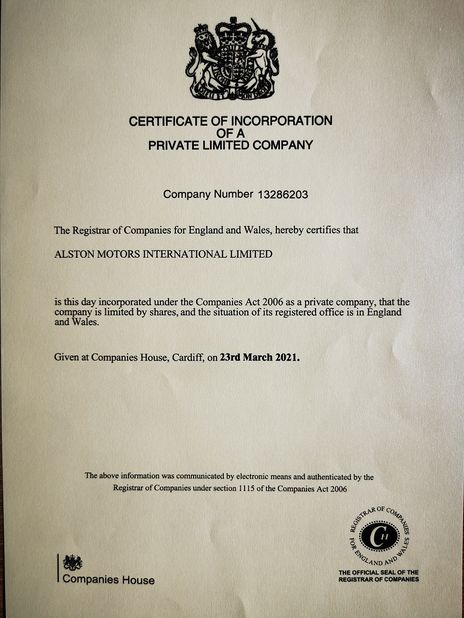
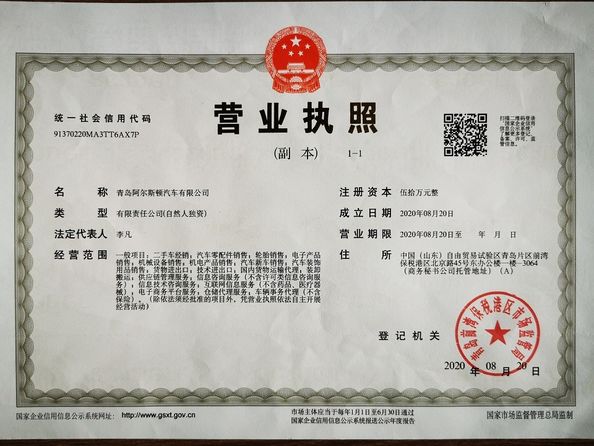
تقوم شركة Qingdao Alston Motors بتزويد شاحنات صهاريج الوقود HOWO المجددة بأجسام الخزانات التي تم اختبار الضغط عليها، وأنظمة الوقود التي تم فحصها، ودعم وثائق التصدير، وتقارير فحص ما قبل الشحن للمشترين الدوليين.
8. حدد السعة حسب مقياس محطة الوقود
يجب أن تتناسب سعة ناقلة الوقود المناسبة مع مقياس المحطة، وليس مجرد أكبر شاحنة متاحة.
قد تحتاج المحطات الريفية الصغيرة ذات التخزين المحدود إلى ناقلة سعة 5000 لتر إلى 12000 لتر فقط. تحتاج المحطات المستقلة القياسية عادةً إلى ناقلة سعة 15000 لتر إلى 25000 لتر 6 × 4. قد تتطلب محطات الطرق السريعة الكبيرة وتجار التجزئة المتصلين بالمستودعات وشبكات الوقود سريعة الدوران 30000 لترًا أو أكبر من ناقلات النفط 8 × 4.
يجب على المشترين أيضًا التفكير فيما إذا كانت الشاحنة ستوفر درجة وقود واحدة أو منتجات متعددة في رحلة واحدة. بالنسبة لتوزيع البنزين والديزل، فإن تخطيط المقصورة لا يقل أهمية عن إجمالي حجم الخزان.
بالنسبة لخلفية الشركة، وخبرة التصدير، ونطاق المنتج، يمكن للمشترين المراجعةتجربة تصدير تشينغداو ألستون موتورزقبل التأكد من المواصفات النهائية للشاحنة.
9. القدرة الموصى بها لتوزيع الوقود في أفريقيا
بالنسبة لمعظم مشاريع إمداد محطات الوقود الأفريقية، فإن شاحنة خزان الوقود HOWO بسعة 20,000 لتر إلى 25,000 لتر 6 × 4 هي الخيار الأول الأكثر أمانًا.
يعمل نطاق السعة هذا بشكل جيد مع نيجيريا وغانا وتنزانيا وزامبيا وأوغندا وكينيا والأسواق الأخرى حيث يحتاج المشترون إلى التوازن بين الحمولة الصافية والوصول إلى الطرق وتكلفة الصيانة وكفاءة توصيل الوقود. إنها كبيرة بما يكفي للإمداد التجاري ولكنها لا تزال أسهل في التشغيل من ناقلة النفط الثقيلة 8 × 4.
يمكن للمشترين الذين يخططون لتسليم المستودعات لمسافات طويلة اختيار ناقلة أكبر 8 × 4 إذا كانت ظروف الطريق وحدود الجسر وقواعد تحميل المحور وسعة تخزين المحطة تسمح بذلك. بالنسبة للمحطات الحضرية الأصغر حجمًا أو ساحات التزود بالوقود الخاصة، يمكن لناقلة 4 × 2 تقليل تكاليف التشغيل وتحسين القدرة على المناورة.
يمكن للمشترين التأكد من النماذج المتاحة وحجم الخزان وتصميم المقصورة وصور الفحص وخيارات الشحنالاتصال تشينغداو ألستون موتورزقبل تقديم الطلب.
الأسئلة المتداولة
ما هي أفضل سعة خزان لشاحنة وقود HOWO المستخدمة التي تزود محطات الوقود؟
عادةً ما يكون الخزان سعة 15000 لترًا إلى 25000 لترًا على هيكل HOWO 6 × 4 هو الخيار الأفضل لتزويد محطة الوقود القياسية. فهو يوازن بين الحمولة والوصول إلى الطرق وكفاءة التسليم وتكلفة الإطارات والصيانة وتوافر التصدير.
هل يمكن حمل البنزين والديزل في نفس شاحنة الوقود HOWO؟
نعم، ولكن فقط مع خزان متعدد الحجيرات. يجب فصل البنزين والديزل عن طريق حجرات وخطوط أنابيب وصمامات وأنظمة تفريغ مستقلة. ولا ينبغي أبدًا خلطها داخل حجرة خزان واحدة.
ما هي سعة الخزان الأكثر شيوعًا لتوزيع الوقود في إفريقيا؟
يتم اختيار شاحنة خزان الوقود سعة 20.000 لتر إلى 25.000 لتر 6x4 HOWO عادةً لتوزيع الوقود في أفريقيا لأنها توازن بين الحمولة الصافية وظروف الطريق ومخاوف حمولة المحور وتوافر قطع الغيار وكفاءة التسليم.
هل ناقلة الوقود HOWO سعة 30000 لتر أفضل من ناقلة سعة 20000 لتر؟
ليس دائما. تعتبر الناقلة سعة 30000 لتر أفضل لمحطات الطرق السريعة أو مستودعات التسليم ذات الحجم الكبير، ولكنها قد تكون كبيرة جدًا بالنسبة للمحطات الصغيرة أو الطرق الضيقة أو الجسور الريفية أو الأسواق التي تطبق حمولة محورية صارمة.
كيف أحسب وزن حمولة ناقلة الوقود الكاملة؟
اضرب حجم الوقود بكثافة الوقود. على سبيل المثال، يزن 20000 لتر من الديزل بحوالي 0.84 كجم/لتر حوالي 16800 كجم، أو 16.8 طن متري، قبل إضافة الشاحنة وجسم الخزان والوقود والسائق والملحقات.
ما الذي يجب علي فحصه في شاحنة خزان الوقود HOWO المستعملة؟
تحقق من هيكل الخزان، والتآكل الداخلي، والحواجز، واللحامات، والصمامات السفلية للطوارئ، وأغطية غرف التفتيش، ومأخذ الطاقة، ومضخة الوقود، وخطوط الأنابيب، والإطارات، وإطار الهيكل، ونظام الفرامل، وأداء المحرك قبل الشراء.
هل تأتي شاحنة وقود HOWO المستعملة مزودة بموزع وقود وعداد؟
ذلك يعتمد على التكوين. غالبًا ما تستخدم شاحنات صهاريج الوقود القياسية تفريغ الجاذبية، بينما قد تشتمل شاحنات التزود بالوقود المتنقلة على مضخة، ومقياس تدفق، وبكرة خرطوم، ونظام موزع.
ما هو المحرك المناسب لشاحنة خزان الوقود HOWO سعة 20000 لتر؟
يتم استخدام تكوين 371HP HOWO 6x4 بشكل شائع لشاحنات خزان الوقود سعة 20000 لتر. إنه يوفر عزمًا كافيًا للحمولات السائلة الثقيلة مع الحفاظ على سهولة صيانته في العديد من أسواق التصدير.
كتب بواسطة:فريق التحرير ألستون موتورز
تمت المراجعة بواسطة:التصدير والفريق الفني
شركة:شركة تشينغداو ألستون موتورز المحدودة
حول فريق التحرير في ألستون موتورز:
يشارك فريق التحرير في Alston Motors رؤى عملية حول شاحنات HOWO المجددة وشبه المقطورات والمركبات التجارية والسيارات المستعملة وحلول التصدير لأفريقيا والأسواق النامية الأخرى. يعتمد المحتوى على خبرة الشركة في فحص المركبات، وتجديدها، وتنسيق التصدير، ودعم قطع الغيار، وخدمة العملاء للمشترين في الخارج.

 يجب أن تكون رسالتك بين 20-3000 حرف!
 Arabic