فحص شاحنة جرار HOWO المستخدمة: ما هي القائمة المرجعية المطلوبة لسحب حفارة 50 طنًا على مقطورات Lowbed في غرب إفريقيا؟
يتطلب سحب حفارة 50 طنًا على مقطورات منخفضة في غرب إفريقيا شاحنة جرار HOWO مستعملة مع عزم دوران قوي، ومحاور تخفيض المحور، وقضبان هيكل معززة، وتبريد موثوق، ووصلة عجلة خامسة للخدمة الشاقة، وفرامل هوائية مستقرة. بالنسبة لمعظم طرق نقل المعدات الثقيلة، فإن شاحنة جرار HOWO 6x4 بقدرة 371 حصانًا - 430 حصانًا مع محاور خلفية HC16 وشبه مقطورة منخفضة المطابقة بشكل صحيح هي الخيار الأكثر أمانًا.
1. قم بمطابقة قوة المحرك مع الوزن الإجمالي للمجموعة
الحفارة التي يبلغ وزنها 50 طنًا ليست الوزن الوحيد الذي يجب على الجرار سحبه.
تشتمل مجموعة النقل الكاملة عادةً على الحفار وشبه المقطورة المنخفضة ورأس الجرار والوقود والأدوات وأحيانًا الملحقات الإضافية. يمكن للحفارة سعة 50 طنًا بالإضافة إلى المقطورة ذات القاعدة المنخفضة 13-15 طنًا دفع الوزن الإجمالي المجمع إلى ما يقرب من 70 طنًا. لهذا السبب، قد يقوم المحرك الضعيف بتحريك الحمولة على أرض مستوية ولكنه يكافح بشدة على المنحدرات وطرق المحاجر وطرق الوصول إلى الإنشاءات غير المعبدة.
بالنسبة للأعمال الثقيلة، يجب على المشترين عادةً التفكير في تكوينات الجرارات 371HP أو 380HP أو 400HP أو 430HP HOWO. يجب أن يبدأ المحرك بشكل نظيف، ويتوقف عن العمل بشكل ثابت، ويتسارع تحت الحمل، ويتجنب الدخان الزائد. الأهم من القدرة الحصانية وحدها هو ما إذا كان المحرك وعلبة التروس والقابض ونظام التبريد والمحاور الخلفية تعمل معًا في ظل ظروف السحب الثقيلة.
| البند التفتيش |
التركيز الموصى به |
لماذا يهم؟ |
| قوة حصان |
371 حصان – 430 حصان |
يدعم تسارع المسافات الثقيلة والتسلق |
| نطاق عزم الدوران |
عزم دوران قوي منخفض السرعة |
يساعد على بدء الأحمال الثقيلة على المنحدرات |
| نوع المحرك |
مضخة ميكانيكية Euro II/III أو خيار السكك الحديدية المشتركة المناسب |
تطابق مع الخدمة المحلية وظروف الوقود |
| نظام التبريد |
المبرد نظيف، مروحة قوية، تدفق جيد لسائل التبريد |
يمنع ارتفاع درجة الحرارة تحت الحمل الثقيل |
2. تحقق من المحاور الخلفية لتخفيض المحور HC16
بالنسبة لنقل المعدات الثقيلة ذات القاعدة المنخفضة، تعد قوة المحور الخلفي واحدة من أهم نقاط الفحص.
قد تتآكل محاور الطرق السريعة القياسية بسرعة في ظل النقل المتكرر للحفارات التي يبلغ وزنها 50 طنًا، خاصة على الطرق غير المعبدة، والمنحدرات شديدة الانحدار، وطرق البناء غير المستوية. تتطلب أعمال النقل الثقيل توفير عزم دوران قوي عند طرف العجلة، وحالة جيدة لمبيت المحور، وأداء تفاضلي موثوق.
يجب أن تستخدم شاحنة جرار HOWO المستخدمة للنقل المنخفض بشكل مثالي المحاور الخلفية لتخفيض المحور Sinotruk HC16. يجب على المشترين التحقق من مبيت المحور، وأغطية تخفيض المحور، وتسرب الزيت، والضوضاء غير الطبيعية، ودرجة الحرارة التفاضلية، ونسبة التروس. قد تكون النسب مثل 5.73 أو تكوينات الخدمة الشاقة المشابهة أكثر ملاءمة للسحب البطيء السرعة، بينما قد تكون النسب الأسرع أفضل لطرق الطرق السريعة الأخف.
3. افحص إطار الهيكل مزدوج الطبقة
تضع المقطورة الثقيلة ذات القاعدة المنخفضة قوة سحب ولف قوية على هيكل الجرار.
عندما يتم نقل حفار بوزن 50 طنًا على أرض وعرة، يجب أن يتحمل إطار الجرار الضغط العمودي، وقوة السحب الطولية، والالتواء الناتج عن الطرق غير المستوية. قد يظهر الهيكل الضعيف أو التالف سابقًا شقوقًا خلف الكابينة، أو تشوهًا بالقرب من أقواس التعليق الخلفية، أو أعضاء متقاطعة مفكوكة، أو إصلاحات لحام خارج المصنع.
قبل الشراء، يجب على المشترين فحص ما إذا كان الهيكل يستخدم قضبان معززة مزدوجة الطبقة مثل 8 مم + 8 مم أو هيكل مماثل للخدمة الشاقة. يجب أن تكون قضبان الإطار مستقيمة، دون أي انحناء واضح أو طلاء جديد أو حركة برشام غير متساوية. يمكن أن يساعد القياس القطري أيضًا في تحديد الالتواء المخفي الناتج عن الحوادث السابقة أو الاستخدام الزائد.
قائمة مراجعة فحص الهيكل الثقيل المستخدمة من HOWO
| نقطة التفتيش |
ما يجب التحقق منه |
خطر إذا تم تجاهله |
| قضبان الإطار |
هيكل مزدوج الطبقة، الاستقامة، الشقوق |
انحناء الهيكل أو ضعف التتبع |
| أقواس التعليق الخلفي |
شقوق شعرية، ومسامير فضفاضة، ولحام جديد |
حركة المحور الخلفي تحت الحمل |
| الأعضاء المتقاطعة |
المسامير والصدأ والتشوه |
دعم الإطار ضعيف |
| قاعدة العجلة الخامسة |
لوحة التركيب، البراغي، المحاذاة |
اقتران مقطورة غير آمنة |
| تاريخ الهيكل |
الإصلاحات خارج المصنع وتغطية الطلاء |
الضرر الزائد المخفي |
4. اختر أنظمة الوقود والمحرك بناءً على الظروف المحلية
يجب أن توجه جودة الوقود ودعم الخدمة وظروف المسار اختيار المحرك.
في بعض طرق النقل الثقيل في غرب أفريقيا، لا يزال المشترون يفضلون محركات المضخات الميكانيكية Euro II أو Euro III لأنها أسهل في الصيانة، وأقل اعتمادًا على التشخيص الإلكتروني المتقدم، وأكثر تحملاً لجودة الوقود المتغيرة. ومع ذلك، تختلف حدود كبريت الوقود ومعايير الديزل حسب البلد وسلسلة التوريد، لذلك يجب على المشترين تجنب افتراض أن قاعدة واحدة تنطبق على جميع الأسواق.
بالنسبة للبناء عن بعد أو التعدين أو نقل المعدات عبر الحدود، يمكن أن تكون البساطة ميزة. قد يكون محرك المضخة الميكانيكية أسهل في صيانة الميكانيكيين المحليين، في حين قد تتطلب محركات السكك الحديدية المشتركة الأحدث ترشيحًا أفضل للوقود، وديزل أنظف، ودعمًا تشخيصيًا أقوى. يجب على المشترين مطابقة الشاحنة مع بيئة الخدمة الفعلية.
5. اختبار أداء التبريد في ظل ظروف النقل الثقيل
تحتاج الشاحنة الجرارة التي تسحب معدات ثقيلة في الطقس الحار إلى نظام تبريد صحي.
يمكن أن تشتمل طرق غرب أفريقيا على درجات حرارة محيطة مرتفعة، وتسلق بطيء، وتباطؤ طويل، وطرق متربة، وحمل محرك ثقيل. تعرض هذه الظروف مشعات ضعيفة، أو ممرات تبريد مسدودة، أو ضعف تعشيق قابض المروحة، أو خراطيم تالفة، أو ضعف دوران سائل التبريد. الشاحنة التي تظل باردة عندما تكون فارغة قد ترتفع درجة حرارتها عند سحب مقطورة منخفضة بحفار.
أثناء الفحص، يجب على المشترين التحقق من قلب الرادياتير، وقابض المروحة، وخزان سائل التبريد، ومضخة المياه، والأحزمة، والخراطيم، ومنظم الحرارة، وثبات درجة الحرارة أثناء اختبار الطريق. يجب أن تصعد الشاحنة وتتسارع دون ارتفاع سريع في درجة الحرارة. يجب التعامل مع تاريخ السخونة الزائدة على محمل الجد لأنه قد يشير إلى وجود مشاكل في حشية الرأس أو رأس الأسطوانة أو المبرد.
6. تحقق من حالة علبة التروس والقابض ومأخذ الطاقة
يجب أن يتعامل صندوق التروس والقابض مع التشغيل الثقيل والسحب منخفض السرعة والتشغيل على المنحدرات.
غالبًا ما يعمل جرار HOWO المستخدم للنقل المنخفض بسرعة منخفضة تحت عزم دوران مرتفع. يجب أن يتحول صندوق التروس بسلاسة، ويجب أن يعمل محدد النطاق بشكل واضح، ويجب ألا يكون هناك أي طحن أو قفز من الترس أو اهتزاز غير طبيعي. يجب ألا ينزلق القابض عندما تبدأ الشاحنة بحمولة ثقيلة أو عندما تتسلق منحدرًا.
يجب على المشترين فحص علبة التروس HW19710 أو ما يعادلها للخدمة الشاقة، وملمس دواسة القابض، وحالة بطانة القابض، وتسرب زيت ناقل الحركة، واهتزاز عمود المروحة. قد يبدو القابض المنزلق أو المزامن البالي بسيطًا أثناء الاختبار الفارغ، ولكنه قد يفشل بسرعة أثناء نقل الحفارات الثقيلة.
7. افحص تطابق العجلة الخامسة والمقطورة المنخفضة
يجب أن تتوافق العجلة الخامسة مع العمود الرئيسي للمقطورة المنخفضة وحمولة نقل المعدات الثقيلة.
بالنسبة للحفارة التي يبلغ وزنها 50 طنًا، عادةً ما يُفضل نظام العجلة الخامسة للخدمة الشاقة مقاس 3.5 بوصة أو 90# على أداة التوصيل القياسية للخدمة الخفيفة. يجب أن يتم قفل العجلة الخامسة بإحكام، وتدور بسلاسة، ولا تظهر أي تآكل خطير في الفك، أو أجزاء مقبض مكسورة، أو مسامير مفكوكة، أو ألواح تثبيت متشققة.
يجب على المشترين أيضًا مطابقة الجرار بما يناسبهنصف مقطورة لوبد لنقل المعدات الثقيلة. يجب أن يتطابق رقم محور المقطورة وقوة منحدر التحميل وارتفاع سطح السفينة ونوع التعليق وخطوط الفرامل والمقابس الكهربائية وارتفاع الدبوس مع الجرار. لا يمكن للجرار القوي أن يعمل بشكل آمن إذا كانت المقطورة ذات القاعدة المنخفضة ضعيفة للغاية أو غير متطابقة بشكل جيد.
8. اختبار الكبح الهوائي واستقرار ضغط الهواء
تحتاج مجموعة النقل الثقيل التي يبلغ وزنها 70 طنًا إلى استجابة كبح قوية وضغط هواء مستقر.
قبل التصدير، يجب على المفتشين فحص ضاغط الهواء، وخزانات الهواء، وغرف المكابح، وصمامات الترحيل، وأحذية المكابح، وأسطوانات المكابح، والخراطيم، وموصلات خطوط الهواء للمقطورة المنخفضة. يجب أن يقوم النظام ببناء الضغط بسرعة، والحفاظ على الضغط دون حدوث تسرب كبير، والاستجابة بشكل متساوٍ أثناء الكبح.
بالنسبة لنقل المعدات الثقيلة في غرب أفريقيا، تعد موثوقية الفرامل أمرًا مهمًا على الطرق المنحدرة، والطرق الرطبة، وطرق الوصول إلى الإنشاءات المتربة. يجب على المشترين اختبار كل من فرامل الجرار ووصلات فرامل المقطورة. يمكن أن يؤدي تأخر استجابة الفرامل، أو الكبح غير المتساوي، أو تسرب خطوط الهواء، أو ضعف أداء فرامل الانتظار إلى حدوث مخاطر نقل خطيرة.
9. تأكد من توافق ECOWAS مع التحميل المحوري والطريق
يجب التخطيط لنقل المعدات الثقيلة في غرب أفريقيا وفقًا للحمل المحوري وحدود المسار.
التنظيم التحكم في الحمل المحوري التابع للجماعة الاقتصادية لدول غرب أفريقيايتعلق بتنسيق المعايير والإجراءات الخاصة بالتحكم في أبعاد مركبات البضائع ووزنها وحمولة المحور داخل الدول الأعضاء في المجموعة الاقتصادية لدول غرب أفريقيا. بالنسبة للمشترين، هذا يعني أنه يجب مراجعة وزن الجرار والمقطورة المنخفضة والحفار معًا قبل الشحن وتخطيط المسار.
يجب عادةً مطابقة الجرار 6 × 4 الذي يسحب حفارًا بوزن 50 طنًا مع مقطورة منخفضة ذات ثلاثة محاور أو أربعة محاور لتوزيع الوزن بشكل أكثر أمانًا. يجب على المشترين التأكد من حدود المحور المحلي، وحدود الجسور، وقواعد المرافقة، وتصاريح الطرق، ومتطلبات الخروج من الميناء في بلد الوجهة قبل اختيار التكوين النهائي.
10. تأكيد التفتيش قبل الشحن قبل التصدير
يجب اختبار شاحنة جرار HOWO المستعملة قبل التصدير، وليس الحكم عليها فقط من خلال إعادة الطلاء.
قبل الشحن، يجب على المشترين طلب صور أو مقاطع فيديو توضح البداية الباردة، وتشغيل المحرك، وتغيير علبة التروس، واستجابة القابض، وحالة العجلة الخامسة، وفحص المحور HC16، وإطار الهيكل، وحالة الإطارات، واختبار الفرامل، وتراكم ضغط الهواء، وحالة المبرد، ورقم VIN أو رقم الهيكل، وإعداد تحميل المنفذ.
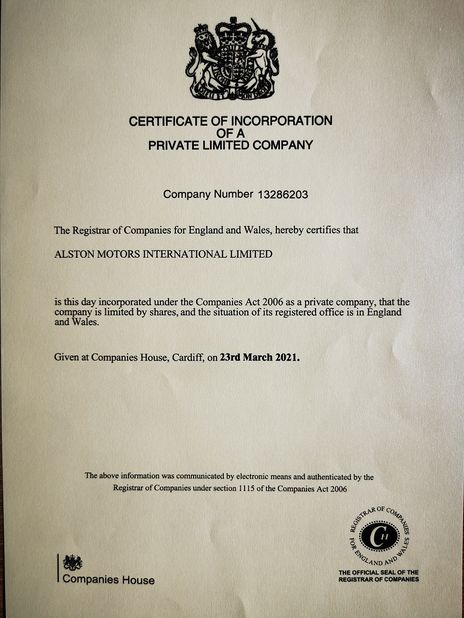
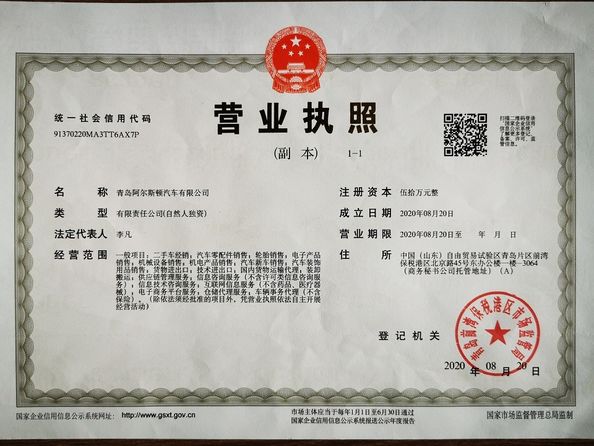
قامت شركة Qingdao Alston Motors بفحص شاحنات جرار HOWO المستخدمة للمقطورات المنخفضة ونقل المعدات الثقيلة، مع فحوصات ما قبل الشحن التي تغطي حالة المحرك، والمحور الخلفي HC16، وإطار الهيكل مزدوج الطبقة، والعجلة الخامسة، والقابض، وعلبة التروس، ونظام التبريد، والمكابح الهوائية، والإطارات، وإعداد تحميل التصدير.
للتعرف على تكوينات الجرار المتوفرة، قم بمراجعةشاحنة جرار HOWO مستعملة لنقل الحفاراتصفحة. ولتخطيط أسطول التصدير على نطاق أوسع، يمكن للمشترين أيضًا المراجعةشاحنات HOWO المستخدمة لمشاريع التصدير الثقيلة. للحصول على تفاصيل حول سير عمل الفحص ودعم الشحن، تفضل بزيارةفحص شاحنة جرار Qingdao Alston Motors ودعم التصدير. يمكنك التأكد من القدرة الحصانية، ونسبة المحور، والعجلة الخامسة، ومطابقة المقطورة، وتكلفة منفذ الوجهةاطلب عرض أسعار لشاحنة جرار HOWO مستعملة.
الأسئلة المتداولة
هل يستطيع جرار HOWO بقوة 336 حصانًا سحب حفارة بوزن 50 طنًا؟
قد يقوم جرار بقوة 336 حصانًا بنقل الحمولة على الطرق المعبدة المسطحة، ولكنه ليس مثاليًا للمنحدرات شديدة الانحدار أو الأراضي الناعمة أو طرق النقل الثقيل الطويلة. بالنسبة للحفارة التي يبلغ وزنها 50 طنًا، عادةً ما تكون القوة من 371 حصانًا إلى 430 حصانًا أكثر أمانًا.
لماذا تُفضل محاور تخفيض المحور HC16؟
تساعد محاور تخفيض المحور HC16 على توفير عزم الدوران عند طرف العجلة وتقليل الضغط على الترس التفاضلي المركزي. وهي مناسبة بشكل أفضل للسحب على السرعات البطيئة، والطرق الوعرة، والنقل الثقيل المنخفض، مقارنة بمحاور الطرق السريعة للخدمة الخفيفة.
ما هو حجم العجلة الخامسة المناسب لنقل الحفارات ذات القاعدة المنخفضة؟
بالنسبة للنقل الثقيل المنخفض، يُفضل عادةً استخدام عجلة خامسة مقاس 3.5 بوصة أو 90# والمسمار الرئيسي المطابق. يجب على المشترين فحص تآكل الفك، ومسامير التثبيت، وحالة لوحة العجلة الخامسة، وخلوص الوصلة قبل الشحن.
ما الذي يجب التحقق منه قبل تصدير شاحنة جرار HOWO مستعملة؟
يجب على المشترين التحقق من حالة المحرك، وعلبة التروس، والقابض، ومحاور HC16، والإطار مزدوج الطبقة، والعجلة الخامسة، والفرامل، وضغط الهواء، والإطارات، ونظام التبريد، والمقابس الكهربائية، ومطابقة المقطورة، وإعداد تحميل المنفذ.
ما هي المقطورة المناسبة لحفارة 50 طن؟
يجب اختيار نصف مقطورة منخفضة الخدمة للخدمة الشاقة ذات سعة محور مناسبة، ومنحدرات قوية، وارتفاع منخفض للسطح، وفرامل موثوقة، ومطابقة مناسبة للمحور الرئيسي. يجب أن يتبع التكوين النهائي اللوائح المحلية الخاصة بحمل المحور والطريق.
كتب بواسطة:فريق التحرير ألستون موتورز
تمت المراجعة بواسطة:التصدير والفريق الفني
شركة:شركة تشينغداو ألستون موتورز المحدودة
حول فريق التحرير في ألستون موتورز:
يشارك فريق التحرير في Alston Motors رؤى عملية حول شاحنات HOWO المجددة وشبه المقطورات والمركبات التجارية والسيارات المستعملة وحلول التصدير لأفريقيا والأسواق النامية الأخرى. يعتمد المحتوى على خبرة الشركة في فحص المركبات، وتجديدها، وتنسيق التصدير، ودعم قطع الغيار، وخدمة العملاء للمشترين في الخارج.

 يجب أن تكون رسالتك بين 20-3000 حرف!
 Arabic