ما هو الحجم الذي يحتاجه المقطورة المنخفضة للنقل بالحفر؟
تعتمد شبه مقطورة المنخفضة المناسبة لنقل الحفارات على وزن الحفارة، وعرض المسار، وارتفاع النقل، وموقع القوس، وحدود المسار.يمكن أن تعمل قاعدة منخفضة ذات محور 2 ′′3 متوسطة؛ بالنسبة للآلات التي تبلغ وزنها 4060 طن، اختر سقفًا منخفضًا متعدد المحاور مع هامش حمولة واضح.
1ابدأ بوزن الحفر وليس طول المقطورة
يحدد وزن الحفر فئة المقطورة المنخفضة قبل النظر في طول الطابق أو اللون أو السعر. لا يجعل طابق المقطورة الطويل نقلًا آمنًا إذا كان الإطار أو مجموعة المحور أو الإطارات أو التعليقولا يمكن أن تحمل مساحة المكواة الجهاز الحقيقي وزن العمل.
الرقم الأول للتأكيد هو وزن التشغيل، وليس وزن الشحن أو اسم النموذج. الحفرة الهيدروليكية Cat 330، على سبيل المثال، يبلغ وزن التشغيل حوالي 31،400 كجم اعتمادا على التكوين،الذي يضعها في فئة النقل المتوسط إلى الثقيل بدلاً من فئة المعدات الخفيفة.بيانات المنتج الرسمية لشركة Caterpillar
المرفقات يمكن أن تغير القرار. دلو، مفكّك هيدروليكي، مزق، ذراع طويلة، وزن مضاد، أو حذاء مسار أوسع يمكن أن يضيف الوزن ويغير مركز الثقل.يجب على المشتري الذي يختار مقطورة للحفرة التي تبلغ 30 طناً أن يسمح بوزن نقل حقيقي أقرب إلى 32-35 طناً عندما تبقى المرفقات مثبتة.
2. تطابق الحمل المفيد للمقطورة المنخفضة إلى الوزن التشغيلي، هامش السلامة، وحمل المحور
يجب أن يكون للشاحنة ذات السرير المنخفض حمولة أكثر من وزن الحفر الفعلي، وليس مطابقة واحدة إلى واحدة.إن تطابق حفرة وزنها 30 طناً مع مقطورة وزنها 30 طناً يترك مساحة ضئيلة للطرق الخشنة، إجهاد التحميل، ووزن التثبيت، أو توزيع وزن غير متساو.
بالنسبة للحفرة التي يبلغ وزنها 20-30 طن المستخدمة في بناء الطرق ، قد يكون السرير المنخفض المقوى 2 ′′3 محور مناسبًا إذا كان المسار معتدلًا وكان لدى المقطورة هامش حمولة كاف.لجهاز الحفر ذو الوزن 4060 طن يستخدم في التعدين، محجر، أو مشاريع البنية التحتية الكبيرة، 3 ٪ 4 محور أو متعددة محاورة للخدمات الثقيلة المنخفضة هو اتجاه أكثر أمانا.
توزيع الحمل على المحور مهم بقدر الحمل الإجمالي. إذا كان الحفار يجلس بعيداً جداً إلى الأمام، فإن حمولة الجرار قد تصبح مفرطة. إذا كان يجلس بعيداً جداً إلى الوراء،قد تكون مجموعة المحور الخلفي محملة بشكل مفرطيجب أن يكون وضع التحميل النهائي متوازناً بين حمولة الجرار، وحمل محور المقطورة، وحمل الإطارات، والحدود القانونية للطريق.
| فئة الحفارات |
الوزن النموذجي للعمل |
الاتجاه الموصى به للأسفل |
فحص المشتري الرئيسي |
| حفرة صغيرة |
815 طن |
السرير المنخفض ذو المحورين الخفيف أو المتوسط |
زاوية المنحدر وعرض سطح السفينة |
| حفرة متوسطة |
20~30 طن |
مقعد أسفل محور 2 ′′3 معزز |
هامش الحمولة المفيدة وعرض المسار |
| الحفرة الكبيرة |
35-45 طن |
مقعد منخفض للقيود الثقيلة |
قوة الشعاع الرئيسي وحمل المحور |
| حفرة ثقيلة |
5060+ طن |
عدة محاور للخدمات الثقيلة المنخفضة |
الترخيص، المسار، تصنيف الإطارات، توازن الحمولة |
3. اختر طول سطح السفينة من خلال حجم الحفرة ، وموقف البوم ، ووضع دلو
يجب أن يتناسب طول سطح السفينة مع محفر الحفر في موقع النقل الحقيقي ، بما في ذلك القوس والذراع والدلو والوزن المضاد ومساحة الربط.طول المسار وحده ليس كافياً لتحديد ما إذا كانت مقطورة ذات سرير منخفض مناسبة.
بالنسبة للعديد من الحفارات المتوسطة ، قد يتم النظر في سطح رئيسي حوالي 9 × 12 متر ، اعتمادًا على طول الجهاز ، ووضع الدلو ، وقواعد النقل المحلية.آلات ذات دلو كبير، أو الوحدات التي يتم نقلها مع المرفقات الإضافية قد تحتاج إلى سطح أطول أو خطة منفصلة للمرفقات.
خطأ شائع هو تأكيد أن قاعدة الزحف تناسب مع تجاهل وضع البريم والدلو. إذا كان الدلو يركز خارج الهيكل الخلفي، يتم حجب نقاط ربط أسفل،أو يجب أن يجلس الجهاز في زاوية غير آمنة، المقطورة ليست ذات الحجم الصحيح. يجب على المشترين تأكيد طول النقل الكلي قبل قبول مواصفات المنخفضة.
4تحقق من عرض سطح السفينة مقابل عرض المسار و حدود تصاريح النقل
يجب أن يتطابق عرض سطح السفينة مع عرض مسار الحفارة مع الالتزام بالحدود القانونية أو القائمة على التصاريح. يزيد سطح السفينة الضيق من خطر التحميل ، في حين أن الحمولة الواسعة قد تتطلب تصاريح ،المرافقين، طرق محدودة، أو أوقات سفر خاصة.
للإشارة، أوراق FHWA تنص على أن الحد الأقصى للعرض للسيارات ذات السيارات التجارية على الشبكة الوطنية الأمريكية هو عموما 102 بوصة، أو حوالي 2.6 متر،مع حركات كبيرة الحجم التي يتم التعامل معها بموجب قواعد الترخيص.قوانين الحجم الاتحادية FHWA
يجب على مشتري الصادرات ألا ينسخوا قواعد طريق بلد واحد بشكل أعمى. يمكن أن يكون لطرق أفريقيا والشرق الأوسط وجنوب شرق آسيا وأمريكا اللاتينية أبعاد جسور مختلفة، نقاط تفتيش الشرطة، بوابات الموانئ،محطات الرسومالطريقة الأكثر أمانًا هي مقارنة عرض مسار الحفر، وعرض سطح المقطور، وأضيق جزء من مسار العمل قبل الشراء.
5تحكم في ارتفاع النقل مع ارتفاع سطح السفينة المنخفض المناسب
المقطورة المنخفضة ذات قيمة لأنها تقلل من الارتفاع الكلي المحمل وتقلل من مشاكل الفراغ أثناء نقل الآلات.ارتفاع سطح السفينة يمكن أن يقرر ما إذا كانت الآلة يمكن أن تمر تحت الجسور، الأسلاك العلوية، أبواب ورشة العمل، ومخارج الميناء.
إذا كانت الحفارة حوالي 3.2 × 3.5 متر في ارتفاع موقف النقل ، يصبح ارتفاع سطح المقطورة أمرًا حاسمًا. قد يدفع سطح أعلى المجموعة المحملة إلى منطقة ارتفاع كبيرة ،بينما الطابق السفلي قد يقلل من تكلفة التراخيص وقيود المسارملاحظة أيضا أن الحدود الحدودة للولايات المتحدة تتراوح عادةً بين 13 قدمًا 6 بوصة إلى 14 قدمًا.تقرير حجم ووزن FHWA
الرقم الرئيسي هو ارتفاع الحمولة: ارتفاع سطح السرير المنخفض بالإضافة إلى ارتفاع نقل الحفار. يجب على المشترين التأكيد على ذلك قبل الشحن، وخاصة للتسليم من الميناء إلى الموقع، ومشاريع البناء الحضري،والطرق التعدينية مع الهياكل العلوية. وضع الدلو، زاوية استراحة البوم، ونوع حذاء المسار يمكن أن تغير كل الارتفاع النهائي.
6اختيار تكوين المحور الصحيح لتوزيع الوزن والامتثال للطرق
يجب اختيار تكوين المحور وفقًا لوزن الحفرة وظروف الطريق وتوزيع الحمولة القانونية ، وليس فقط الحمولة المعلنة للمقطورة.يمكن أن تعمل السرير المنخفض ذو المحورين للآلات الصغيرة، ولكن الحفارات الثقيلة تحتاج عادة إلى 3، 4 أو أكثر من المحاور.
بالنسبة للمحفرات من فئة 30 طن ، يعتبر العديد من المشترين أن يكون هناك سرير منخفض معزز من 3 محاور عندما تتضمن المسار طرقًا خشنة أو مواقع بناء أو نقل لمسافات طويلة.تصميم أربعة محاور أو متعدد المحاور أكثر واقعية، وخاصة عندما يكون فرض الحمل على المحور صارمًا أو سطح الطريق ضعيف.
تشينغداو آلستون موتورز توصي بمطابقة حجم السرير المنخفض مع وزن الحفر، عرض المسار، الارتفاع المحمل، توزيع حمولة المحور، تصميم المنحدر،و حدود المسار بدلا من اختيار طول سطح السفينة وحدههذا يساعد المشترين على مقارنةنصف المقطورات المنخفضة للحفر ونقل الآلاتمع عدد أقل من أخطاء المواصفات.
7زاوية التحميل والمنحدرات والمساحة المطلوبة من الأرض: تجنب الأضرار أثناء التحميل
يمكن أن يكون للمقطورة المنخفضة الحمولة المناسبة ولا تزال صعبة الاستخدام إذا كانت زاوية المنحدر شديدة الارتفاع. يؤثر تصميم الحمولة على قبضة الزحف ، والمساحة المفتوحة للسيارة ، وتوتر الإطار الخلفي ،وسلامة المشغلين.
بالنسبة للمحفرات، تحقق من طول المنحدر، وعرض المنحدر، والسطح المضاد للانزلاق، وقوة الدعم، وما إذا كان المنحدر يطابق عرض الزاحف.أو الدلاء الثقيلة قد تحتاج إلى زاوية تحميل أكثر ليونةالمرافق الطينية، ومحاجر الأرض، ومناطق تخزين الموانئ غير المستوية تجعل تصميم المنحدر أكثر أهمية.
يجب أن تشمل الفحص العملي قبل التسليم محاكاة تحميل أو رفع إذا أمكن ذلك. انتبه إلى مرونة المنحدر ، وحركة الإطار الخلفي ، وانزلاق المسار ، واستقرار سطح السفينة.يجب على المشترين الذين يخططون لمجموعة السحب الكاملة تأكيد الكبح الجرار، ارتفاع عجلة الخامسة، وسحب ملاءمة من خلالإعداد رأس الجرار لسحب المقطورات المنخفضة.
قائمة التحقق من الحجم المنخفض للطلب المسبق
| نقطة التفتيش |
ما الذي يجب التأكد منه |
لماذا يهم ذلك؟ |
| وزن الحفر |
وزن التشغيل بالإضافة إلى المرفقات |
يحدد فئة الحمولة |
| عرض المسار |
العرض الإجمالي للزاحف |
يقرر عرض سطح السفينة ومخاطر الترخيص |
| ارتفاع الحمولة |
ارتفاع سطح المقطورة بالإضافة إلى ارتفاع الآلة |
يؤثر على الجسر والأسلاك والبوابة |
| طول سطح السفينة |
البوم، الدلو، الوزن المضاد، مساحة الربط |
يمنع وضع التحميل غير الآمن |
| تكوين المحور |
2، 3، 4 أو متعددة المحاور |
التحكم في توزيع حمولة المحور |
| تصميم المنحدر |
الطول والعرض والزاوية والسطح المقاوم للنزلق |
يقلل من ضرر التحميل |
| حالة المسار |
الميناء، الطريق السريع، الطريق الخام، موقع التعدين |
يؤثر على قوة المقطورة وتخطيط التصاريح |
| تطابق الجرار |
الطاقة، الفرامل، ارتفاع العجلة الخامسة |
يحافظ على مزيج النقل بأمان |
8قرار الشراء النهائي: مقارنة حجم السرير المنخفض مع وزن الحفرة، حدود الطريق، وقواعد التراخيص
الحجم الصحيح للمقطورة المنخفضة هو الحجم الذي يحمل الحفارة بأمان، ويُبقي الارتفاع المحمل قابلاً للإدارة، وينقسم حمولة المحور بشكل صحيح، ويطابق طريق النقل الحقيقي.أكبر حمولة مفيدة معلنة ليست دائما الخيار الأفضل إذا كانت سطح السفينة، المنحدرات، والحدود المسار لا تتطابق مع الجهاز.
بالنسبة للحفرة التي يبلغ وزنها 20-30 طن المستخدمة في بناء الطرق أو البناء العام ، قد يكون سرير منخفض معزز من محور 2-3 كافياً عندما يكون عرض سطح السفينة و هامش الحمولة المفيدة مناسبين.للماكينات الحفر التي تبلغ 40~60 طن تستخدم في التعدين، المحاجر، أو مشاريع البنية التحتية الثقيلة، عادة ما يكون أقوى 3 ٪ 4 محور أو متعددة محاور المنخفضة أكثر واقعية.
يمكن للمشترين الذين يخططون لإعداد النقل الكامل تقييمتجهيز كامل للجرار والنقل منخفض من الصينبدلاً من اختيار الجرار والمقطورة بشكل منفصل. رأس الجرار، ارتفاع العجلة الخامسة، نظام الفرامل الهوائية، مجموعة محور المقطورة، تصميم المنحدر،و خطة قطع الغيار يجب أن تعمل كجمع واحد للنقل.
لمعرفة خلفية الشركة، استعراضعن (تشينغداو آلستون موتورز)للحصول على توصية أكثر دقة، إرسال نموذج الحفر، وزن العمل، عرض المسار، ارتفاع النقل، حالة الطريق وتردد التحميل من خلالطلب توصية بحجم المقطورة المنخفضةقبل تأكيد المواصفات
الأسئلة الشائعة
ما حجم المقطورة المنخفضة التي تحتاجها حفرة 20 طن؟
الحفارة التي تزن 20 طناً تحتاج عادةً إلى سرير منخفض متوسط الحمل مع هامش حمولة كاف، وعرض سطح السفينة المناسب، وزاوية المنحدر الآمنة.تصميم محور 2 ′′3 قد يعمل اعتمادا على حالة المسار وبنية المقطورة.
هل يمكن للحفرة التي يبلغ وزنها 30 طناً استخدام مقطورة ذات ثلاثة محاور منخفضة؟
نعم، العديد من الحفارات من فئة 30 طناً يمكن أن تستخدم سرير منخفض معزز ذو 3 محورات، ولكن يجب على المشتري تأكيد الوزن الفعلي للعمل، المرفقات، حمولة المحور، عرض المسار، وارتفاع الحمولة.
ما هي المقطورة المطلوبة لحفرة 50 طن؟
عادةً ما تتطلب الحفارة التي يبلغ وزنها 50 طناً سقفًا منخفضًا ثقيلًا من أربعة محاور أو عدة محاور مع أعمدة مقوية وتعليق مناسب وتصنيف إطارات مناسب وتخطيط تصاريح المسار.
هل طول سطح السفينة أو الحمولة أكثر أهمية؟
الحمولة مفيدة تأتي أولاً. طول سطح السفينة مهم بالنسبة للبرم والدلو والوزن المضاد ومساحة الربط ، ولكن المقطورة الطويلة غير آمنة إذا كان الحمولة المسجلة والحمولة على المحور غير كافية.
ما هو عرض المقطورة المنخفضة لتنقل الحفر؟
يجب أن يتطابق عرض سطح السفينة مع عرض مسار الحفر مع الاحتفاظ بالحدود القانونية أو المسموح بها للنقل. قد تتطلب الآلات الأوسع تصاريح النقل ذات الحجم الكبير.
لماذا يُهم ارتفاع سطح السفينة؟
يقلل ارتفاع الطابق السفلي من ارتفاع الحمولة الكلية، مما يساعد الحفار على المرور تحت الجسور والأسلاك والبابات والقيود الحضرية مع مشاكل أقل في التخليص.
هل يجب إزالة الدلو قبل النقل؟
يعتمد ذلك على طول النقل والوزن والقواعد المحلية وموقع الربط. قد يقلل إزالة الدلو من الارتفاع، أو تحسين التوازن، أو تبسيط موافقة التصاريح على بعض الطرق.
كتبها: فريق تحرير شركة آلستون موتورز
تمت مراجعتها من قبل: فريق التصدير والتقني
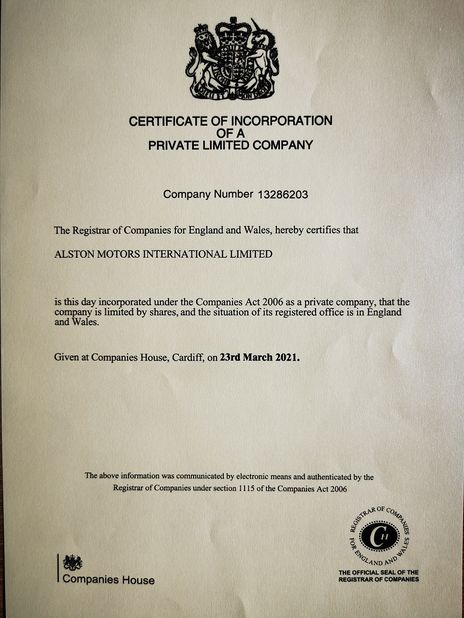
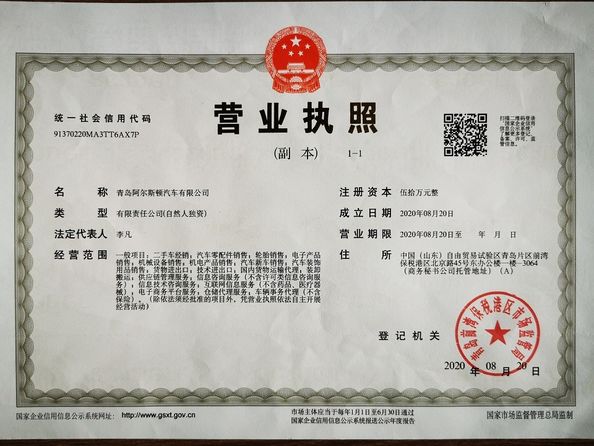
الشركة: تشينغداو آلستون موتورز كو، المحدودة
عن فريق تحرير آلستون موتورز
يشارك فريق تحرير آلستون موتورز رؤى عملية عن شاحنات HOWO المعدلة، وشاحنات شبه مقطورة، ومركبات تجارية، وسيارات مستعملة، وحلول تصدير لأفريقيا وغيرها من الأسواق النامية.يستند المحتوى إلى خبرة الشركة في فحص المركبات، إصلاح، تنسيق التصدير، دعم قطع الغيار، وخدمة العملاء للمشترين في الخارج.

 يجب أن تكون رسالتك بين 20-3000 حرف!
 Arabic