كيفية فحص شاحنة جرار HOWO مستعملة قبل التصدير لنقل الحاويات؟
افحص شاحنة جرار HOWO مستعملة قبل التصدير من خلال فحص مكون من 20 نقطة يغطي الهوية والمحرك وعلبة التروس والفرامل والهيكل والعجلة الخامسة والإطارات والتبريد والمستندات ومقاطع الفيديو الاختبارية والموافقة على الشحن.
1. ما هي المستندات وهوية الشاحنة التي يجب على المشترين التحقق منها أولاً؟
الفحص الأول هو تأكيد الهوية، لأن سجل الهيكل الخاطئ يمكن أن يؤثر على التخليص الجمركي والتسجيل وقيمة إعادة البيع. يجب على المشترين التحقق من 3 عناصر على الأقل معًا: لوحة VIN، وختم الهيكل، ومستندات التصدير. يجب أن يتطابق رقم المحرك وجانب القيادة وسنة الطراز وتكوين 6 × 4 مع سجلات البائع قبل الدفع.
للمشترين مقارنةشاحنات جرار HOWO مستعملةيعد عدم تطابق الهوية علامة تحذير خطيرة. قد تبدو الشاحنة مقبولة في 10 صور، لكن الأرقام غير المتطابقة يمكن أن تخلق مشاكل في موانئ الوجهة في كينيا أو غانا أو نيجيريا أو تنزانيا أو أنغولا بعد الوصول.
2. كيفية التحقق من حالة المحرك قبل التصدير؟
يجب اختبار المحرك عند بداية التشغيل الباردة ودرجة حرارة التشغيل الدافئة. يجب على المشترين التحقق من ضغط الزيت، ودرجة حرارة سائل التبريد، ودخان العادم، وصوت التوربو، وتسرب المياه، وتسرب الوقود، والنفخ. لا يكفي مقطع فيديو خامل مدته 5 دقائق؛ اطلب مقطع فيديو واحدًا على الأقل لاختبار الطريق تحت التحميل.
تسرد مواصفات جرار SINOTRUK HOWO 6x4 371HP المنشورة بشكل شائع محرك WD615.47، وإزاحة 9.726L، وعلبة التروس HW19710، و10 تروس أمامية، و2 تروس خلفية، وإطارات 10+1. تساعد هذه الأرقام المشترين على مقارنة الشاحنة بتكوينها المطالب به قبل الموافقة على التصدير.
3. كيف يتم فحص علبة التروس والقابض ومجموعة القيادة؟
تعد فحوصات علبة التروس والقابض أمرًا بالغ الأهمية لأن نقل حاويات الميناء يتضمن حركة توقف وبدء متكررة. يجب اختبار الشاحنة على الأقل على 3 تروس منخفضة، و2 تروس عالية، والعكس. قد يشير النقل الصعب، أو الاهتزاز عند الإقلاع، أو انزلاق القابض، أو الضوضاء المعدنية إلى تكاليف الإصلاح قبل الشحن.
وينبغي أيضًا فحص خط القيادة عند سرعة أقل من 40 إلى 60 كم/ساعة وما فوقها. افحص عمود المروحة والمفاصل العامة والضوضاء التفاضلية وتسرب المحور الخلفي والاهتزاز غير الطبيعي. في مجال لوجستيات الموانئ، يمكن أن يفشل خط القيادة الضعيف بسرعة عند سحب مقطورات الحاويات المحملة بطول 20 قدمًا أو 40 قدمًا.
4. ما هي مشاكل نظام الفرامل الأكثر أهمية لنقل الحاويات؟
يجب أن يشمل فحص الفرامل أسطوانات الفرامل، وبطاناتها، وغرفها، وخراطيمها، وصماماتها، وقوة فرامل الانتظار، واستعادة ضغط الهواء عبر المحاور الثلاثة جميعها. وبالنسبة لمشتري الصادرات، ينبغي التعامل مع مشاكل الكبح باعتبارها مخاطر تتعلق بالسلامة، وليس قضايا صيانة بسيطة، لأن ساحات الحاويات تشمل العمال، والرافعات، والمقطورات، ومناطق التحول الضيقة.
وزن الحاوية هو مسألة تتعلق بالسلامة. تنص المنظمة البحرية الدولية على أن متطلبات الكتلة الإجمالية التي تم التحقق منها من SOLAS دخلت حيز التنفيذ في 1 يوليو 2016، ويمكن رفض تحميل السفينة على حاوية معبأة بدون كتلة إجمالية مؤكدة. وهذا يعزز أهمية قدرة الكبح في نقل الحاويات. (imo.org)
5. كيفية فحص الهيكل والتعليق والعجلة الخامسة؟
يجب فحص الهيكل قبل أن تؤدي إعادة الطلاء إلى إخفاء الأضرار الهيكلية. يجب على المشترين التحقق من الإطار الرئيسي، والأعضاء المتقاطعة، وأقواس التعليق، والمقاعد الزنبركية، وفتحات المسامير، والصدأ، والتشوه، وإصلاحات اللحام. أي لحام أطول من 20-30 سم بالقرب من منطقة حاملة يحتاج إلى مراجعة دقيقة قبل الشراء.
العجلة الخامسة هي حلقة الوصل الرئيسية بين الجرار والمقطورة. يجب على المشترين التحقق من فكي القفل، وخلوص المسمار الرئيسي، واستواء اللوحة، ومسامير التثبيت، وحالة الشحوم، والحركة غير الطبيعية. يمكن أن تتسبب العجلة الخامسة السائبة في اهتزاز المقطورة خلال أسبوع إلى أسبوعين من عمل الميناء بعد التسليم.
لمطابقة المواصفات، هذا الدليل علىكيفية اختيار شاحنة جرار HOWO مستعملة لنقل حاويات الميناءيساعد المشترين على مقارنة القدرة الحصانية، وتصميم المحور، ومطابقة المقطورة، وظروف المسار قبل اختيار وحدة للموانئ الأفريقية.
6. كيفية التحقق من ملاءمة الإطارات والمحاور والتوجيه والحمولة؟
عادةً ما يحتوي جرار HOWO 6x4 على 10 إطارات عاملة، لذا فإن حالة الإطار تعطي دليلاً مفيدًا على تاريخ الشاحنة. قم بقياس عمق المداس على الأجزاء الداخلية والوسطى والخارجية. إذا كان الكتف الداخلي أكثر تآكلًا بنسبة 30% من الكتف الخارجي، فتحقق من المحاذاة وموضع المحور والتوجيه والتعليق.
يجب أن تتضمن فحوصات المحور والتوجيه ارتخاء الدبوس الرئيسي، وحالة قضيب الربط، وضوضاء محمل العجلة، وتشغيل التوجيه، وتسرب زيت المحور الخلفي، وحالة الزنبرك. بالنسبة لطرق الحاويات الأفريقية،أفضل شاحنة جرار HOWO مستعملة لنقل الحاويات في أفريقيايجب أن يتطابق مع نوع المقطورة وحالة الطريق وطلب الحمولة وتوافر الأجزاء.
7. ما هي عناصر المقصورة والكهرباء والتبريد والسلامة التي يجب اختبارها؟
يمكن أن تؤدي المشاكل الكهربائية والتبريد إلى إيقاف الشاحنة حتى عندما يبدو المحرك مقبولاً. يجب على المشترين اختبار جهد البطارية، ومخرج المولد، وإشارات لوحة القيادة، والأضواء، وأجهزة الاستشعار، والأسلاك، وتكييف الهواء، والرادياتير، وقابض المروحة، والأحزمة، ومضخة المياه، والثرموستات، وأنابيب التبريد لمدة 15-20 دقيقة على الأقل بعد الإحماء.
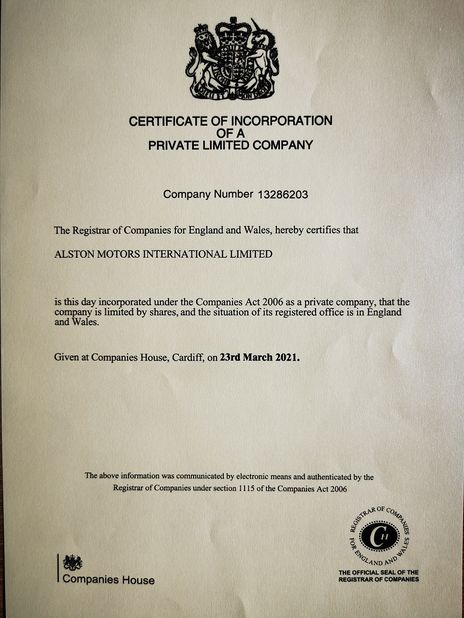
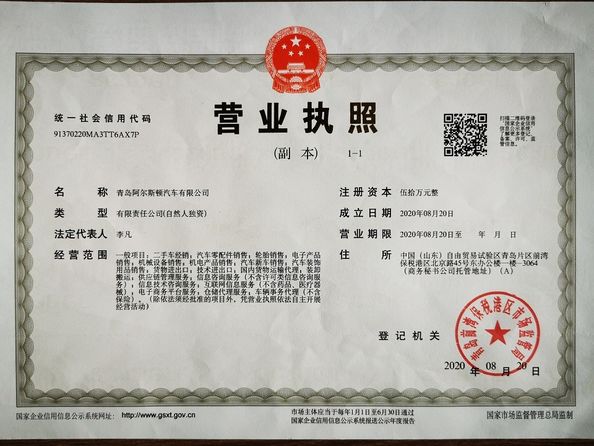
استنادا إلى تجربة تفتيش الصادرات مع المشترين الأفارقة،تشينغداو ألستون موتورزتوصي بفحص حالة التبريد والمقصورة بعناية في الأسواق الساخنة مثل نيجيريا وغانا وتنزانيا وأنغولا. تحتاج الشاحنة التي تعمل من 8 إلى 12 ساعة يوميًا في ساحة الحاويات إلى تبريد مستقر وإضاءة واضحة وضوابط موثوقة للسائق.
8. ما هي فحوصات التصدير والشحن وموافقة المشتري النهائية المطلوبة؟
يجب أن تجمع الموافقة النهائية بين الحالة الميكانيكية والاستعداد للتصدير. يجب على المشترين مراجعة 20 نقطة: المستندات، الهوية، المحرك، علبة التروس، القابض، الفرامل، الهيكل، العجلة الخامسة، المحاور، الإطارات، التوجيه، التبريد، الكهرباء، المقصورة، الأضواء، السوائل، نطاق إعادة الطلاء، مقاطع فيديو الاختبار، تحميل الصور، وخطة الشحن.
استند مؤشر أداء موانئ الحاويات لعام 2023 الصادر عن البنك الدولي وS&P Global Market Intelligence إلى أكثر من 182 ألف مكالمة للسفن، و238.2 مليون عملية نقل للحاويات، وحوالي 381 مليون حاوية نمطية. وهذا يوضح لماذا تحتاج جرارات الموانئ إلى تشغيل يومي موثوق، وليس فقط إلى المظهر المقبول. (Worldbank.org)
وفي شرق إفريقيا، قام ميناء مومباسا بمناولة 2,005,076 حاوية مكافئة في عام 2024، بزيادة 23.5% من 1,623,080 حاوية مكافئة في عام 2023، وفقًا لوكالة الأنباء الكينية نقلاً عن أرقام هيئة الموانئ الكينية. يؤدي ارتفاع نشاط الميناء إلى زيادة الطلب على الجرارات الموثوقة حول الساحات والممرات الداخلية. (kenyanews.go.ke)
تقترح شركة Qingdao Alston Motors على المشترين طلب مقاطع فيديو لتشغيل المحرك، ولقطات مقربة للهيكل، وصور للإطارات، وفحص العجلة الخامسة، وحالة الفرامل، وتفاصيل اختبار علبة التروس، وصور التحميل، وتفاصيل الشحن المتعلقة بالحاويات أو البضائع السائبة. يمكن لمراجعة الفيديو قبل الشحن لمدة 15 دقيقة أن تمنع النزاعات الباهظة الثمن بعد الوصول.
للمشترين مقارنة خيارات السيارة،شاحنة جرار HOWO مستعملة مقابل شاحنات الجرارات الصينية الأخرى لنقل الحاوياتيشرح دعم قطع الغيار، ومعرفة السائق، وأولويات الفحص، ومخاوف الصيانة طويلة المدى في لوجستيات الحاويات الأفريقية.
التعليمات
1. كم عدد نقاط التفتيش المطلوبة؟
يعتبر التفتيش المكون من 20 نقطة هو الحد الأدنى العملي قبل الموافقة على التصدير.
2. هل يجب على المشترين التحقق من المستندات أولاً؟
نعم. تحقق من رقم VIN ورقم الهيكل ورقم المحرك وسجلات التصدير أولاً.
3. هل اختبار الخمول كافٍ؟
لا، اطلب مقاطع فيديو عن البداية الباردة، والإحماء، واختبار الطريق.
4. ما هو صندوق التروس الشائع في جرارات 371HP HOWO؟
تستخدم العديد من جرارات HOWO بقوة 371 حصانًا ناقل الحركة HW19710 10F/2R.
5. لماذا فحص العجلة الخامسة؟
فهو يتحكم في قفل المقطورة، والسلامة الرئيسية، واستقرار نقل الحاويات.
6. هل الإطارات الجديدة كافية؟
لا. قد يشير التآكل غير المتساوي للإطارات إلى وجود مشاكل في المحور أو التوجيه أو التعليق.
7. ما هي فحوصات الشحن الأكثر أهمية؟
قم بتأكيد تحميل الصور والمستندات وخطة المنفذ وطريقة الشحن.
8. هل 371HP مناسب لنقل الحاويات؟
نعم، إذا كانت الفرامل والتبريد وتصميم المحور وحالة الشاحنة جيدة.
بقلم: فريق التحرير ألستون موتورز
تمت المراجعة من قبل: فريق التصدير والفني
الشركة: شركة تشينغداو ألستون موتورز المحدودة
حول فريق التحرير في ألستون موتورز:
يشارك فريق التحرير في Alston Motors رؤى عملية حول شاحنات HOWO المجددة وشبه المقطورات والمركبات التجارية والسيارات المستعملة وحلول التصدير لأفريقيا والأسواق النامية الأخرى. يعتمد المحتوى على خبرة الشركة في فحص المركبات، وتجديدها، وتنسيق التصدير، ودعم قطع الغيار، وخدمة العملاء للمشترين في الخارج.

 يجب أن تكون رسالتك بين 20-3000 حرف!
 Arabic