ما هو تكوين نصف المقطورة المسطحة الأفضل لنقل الحاويات من الميناء إلى الداخل في أفريقيا؟
أفضل نصف مقطورة مسطحة لنقل الحاويات من الميناء إلى الداخل في أفريقيا هي عادة نموذج ثلاثي المحاور بطول 40 قدمًا أو 45 قدمًا مع عوارض معززة، و12 قفلًا ملتويًا، ونظام تعليق ميكانيكي متين، وإطارات 12R22.5، ومكابح موثوقة، وقدرة حمولة تم التحقق منها. يجب على المشترين مطابقة طول المقطورة ونوع الحاوية وحمولة المحور وظروف الطريق الداخلي قبل الشراء.
1. ما هي وظائف نقل الحاويات التي ستتعامل معها نصف المقطورة المسطحة؟
يجب اختيار نصف المقطورة المسطحة وفقًا لمسار الحاوية ونوع الحمولة وخطة حمولة العودة. قد يشمل النقل الأفريقي من الميناء إلى الداخل حاويات 20 قدمًا، أو حاويات 40 قدمًا، أو البضائع السائبة، أو الفولاذ، أو الأخشاب، أو الأسمنت المعبأ في أكياس، أو قطع غيار الآلات، أو مواد البناء.
في التشغيل الحقيقي، قد يتم تشغيل المقطورة من موانئ مثل لاغوس أو تيما أو مومباسا أو دار السلام أو أبيدجان أو ديربان إلى المستودعات الداخلية أو مناطق التعدين أو المجمعات الصناعية أو مواقع البناء. إذا كانت المقطورة ستحمل الحاويات في اتجاه واحد والبضائع العامة في رحلة العودة، فإن قوة السطح ونقاط الربط وتصميم القفل الملتوي تصبح أكثر أهمية.
2. هل يجب على المشترين اختيار نصف مقطورة مسطحة 40 قدمًا أو 45 قدمًا أو 48 قدمًا؟
عادةً ما تكون نصف المقطورة المسطحة مقاس 40 قدمًا أو 45 قدمًا هي الخيار الأكثر عملية لنقل الحاويات الأفريقية. تتعامل المقطورة مقاس 40 قدمًا مع الحاويات القياسية مقاس 20 قدمًا و40 قدمًا بشكل جيد، بينما توفر المقطورة مقاس 45 قدمًا مزيدًا من المرونة للبضائع المختلطة وبعض الحمولات الأطول.
يمكن للمقطورة التي يبلغ طولها 48 قدمًا أن تحمل بضائع أطول، ولكنها ليست دائمًا أفضل للطرق الداخلية الأفريقية. تحتاج المقطورات الأطول إلى مساحة دوران أكبر في الموانئ وطوابير الانتظار الحدودية ومحطات الوقود والمستودعات وطرق المدينة المزدحمة. مقارنة المشتريننصف مقطورة مسطحة لنقل الحاويات من الميناء إلى الداخليجب أن تختار حسب حالة الطريق، وليس فقط طول سطح السفينة.
| طول المقطورة |
أفضل استخدام |
مخاطر المشتري |
| 40 قدم |
نقل الحاويات 20 قدم و 40 قدم |
أقل مرونة للشحنات الطويلة |
| 45 قدم |
الحاويات بالإضافة إلى البضائع المختلطة |
متطلبات تحول أعلى قليلا |
| 48 قدم |
البضائع الطويلة والطرق الخاصة |
عملية أصعب على الطرق الداخلية الضيقة |
3. ما هو عدد الأقفال الملتوية المطلوبة للحاويات مقاس 20 قدمًا و40 قدمًا؟
يجب أن تحتوي نصف مقطورة الحاوية المسطحة عادةً على 12 قفلًا ملتويًا لتأمين حاوية واحدة بحجم 40 قدمًا أو حاويتين بحجم 20 قدمًا. عدد الأقفال مهم، لكن موضع القفل وقوة اللحام ومحاذاة السطح لها أهمية أكبر.
بالنسبة لحركة الحاويات من الميناء إلى الداخل، قد تمر المقطورة بالحفر ومطبات السرعة والممرات الداخلية الوعرة وطرق المستودعات غير المعبدة. الرمز IMO/ILO/UNECE CTU لوحدات نقل البضائعيوفر إرشادات السلامة لتعبئة وحدة نقل البضائع وتأمينها، مما يدعم الحاجة إلى نقاط قفل موثوقة والتحكم المناسب في الحمولة.
4. هل تكفي نصف مقطورة مسطحة ذات 3 محاور للطرق الداخلية الأفريقية؟
تعتبر نصف المقطورة المسطحة ذات 3 محاور كافية لمعظم وسائل نقل الحاويات القياسية 20 قدمًا و40 قدمًا عندما تتوافق قواعد الحمولة والإطارات والفرامل وحمولة المحور بشكل صحيح. وهو التكوين الأكثر شيوعًا لحركة الحاويات العامة من الميناء إلى الداخل.
بالنسبة للطرق الأثقل، أو البضائع الكثيفة، أو احتياجات توزيع الوزن الأكثر صرامة، يفكر بعض المشترين في مقطورة ذات 4 محاور. يمكن أن يؤدي التصميم رباعي المحاور إلى تحسين توزيع الحمل ولكنه قد يزيد من تكلفة الإطارات وتكلفة الصيانة ومقاومة الدوران. بالنسبة للطرق الداخلية الأثقل، أنصف مقطورة مسطحة ذات 4 محاور لطرق الحاويات الثقيلةقد تكون أكثر ملاءمة من الوحدة القياسية ثلاثية المحاور.
5. ما هي قوة الشعاع الرئيسي والعضو المتقاطع والسطح الذي يجب على المشترين التحقق منه؟
تحدد قوة الحزمة الرئيسية والعضو المتقاطع والسطح ما إذا كانت المقطورة قادرة على التعامل مع التحميل المتكرر للحاويات والتشغيل الداخلي القاسي. قد ينحني الإطار الضعيف أو يلتوي أو يتشقق بعد الرحلات الثقيلة المتكررة بين الموانئ والمستودعات ونقاط التسليم الداخلية.
يجب على المشترين فحص ارتفاع الحزمة الرئيسية، وسمك الشبكة، وحالة الحافة العلوية والسفلية، والتباعد بين الأعضاء المتقاطعة، ولحام السكك الحديدية الجانبية، ومنطقة الدبوس، والمصد الخلفي، ولوحة السطح. بالنسبة لأعمال الحاويات، يجب أن يظل السطح مسطحًا بما يكفي لملامسة الحاوية. يجب فحص الطلاء الجديد حول قواعد القفل الملتوية أو مناطق الضغط بعناية لإصلاحات اللحام المخفية.
6. كيف يؤثر نظام التعليق والإطارات والمكابح على موثوقية النقل من الميناء إلى الداخل؟
يحدد نظام التعليق والإطارات والفرامل ما إذا كانت نصف المقطورة المسطحة يمكنها إكمال الطرق الداخلية الطويلة دون توقف متكرر. قد تشمل ممرات الحاويات الأفريقية الطرق السريعة المعبدة، وأجزاء الطرق المتضررة، وطوابير الانتظار الحدودية، وازدحام الموانئ، وطرق الوصول المرصوفة بالحصى، وساحات المستودعات الضيقة.
غالبًا ما يكون التعليق الميكانيكي عمليًا لأنه متين وأسهل في الإصلاح في العديد من الأسواق النامية. تشمل الفحوصات الرئيسية النوابض الورقية، والمسامير على شكل حرف U، ومقاعد التعليق، والمحاور، وغرف الفرامل، وخزانات الهواء، والصمامات، ومطابقة الإطارات. تعد الإطارات مثل 12R22.5 شائعة، ولكن التآكل غير المتساوي أو قطع الجدران الجانبية أو الأحجام المختلطة يمكن أن يؤدي إلى زيادة تكلفة التشغيل بسرعة.
7. كيف يجب على المشترين مطابقة الحمولة الصافية وحمولة المحور ولوائح الطرق المحلية؟
يجب أن تتوافق الحمولة الصافية مع وزن الحاوية وحدود حمولة المحور وقيود الجسر ولوائح الطرق المحلية قبل اختيار المقطورة. قد تحمل المقطورة حاوية ثقيلة فعليًا ولكنها لا تزال تسبب مشكلات قانونية تتعلق بالإطارات والفرامل والسلامة على الطرق.
يمكن أن تكون الحاوية التي يبلغ حجمها 20 قدمًا أثقل من المتوقع عند تحميلها بالمعادن أو قطع غيار الآلات أو المعادن أو مواد البناء الكثيفة. قد تحتوي الحاوية التي يبلغ طولها 40 قدمًا على كثافة أقل ولكن تأثيرها أطول على الإطار. يجب على المشترين التأكد من وزن الحاوية المتوقع، وقيود المسار، وقواعد الوجهة، وتقييم المحور قبل الاختيار بين تكوينات 3 محاور و4 محاور.
8. ما هو التكوين الأفضل لنقل الحاويات والبضائع المختلطة؟
أفضل تكوين متعدد الاستخدامات هو نصف مقطورة مسطحة معززة بطول 40 قدمًا أو 45 قدمًا مع 12 قفلًا ملتويًا، ولوحة سطح قوية، ومعدات هبوط موثوقة، ونظام تعليق متين، ونقاط ربط كافية. يسمح هذا الإعداد للمقطورة بحمل الحاويات والبضائع المحددة غير الحاوية.
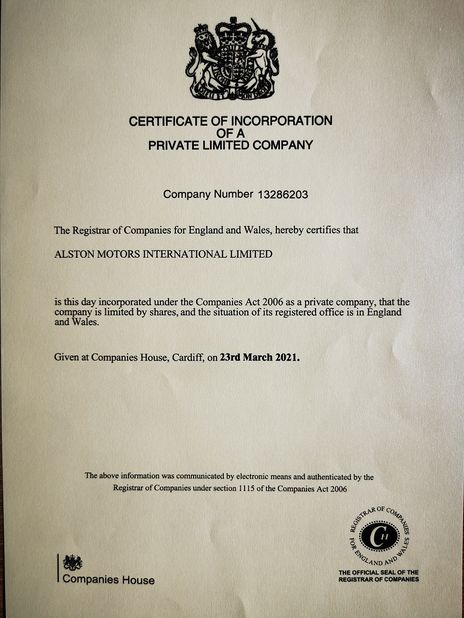
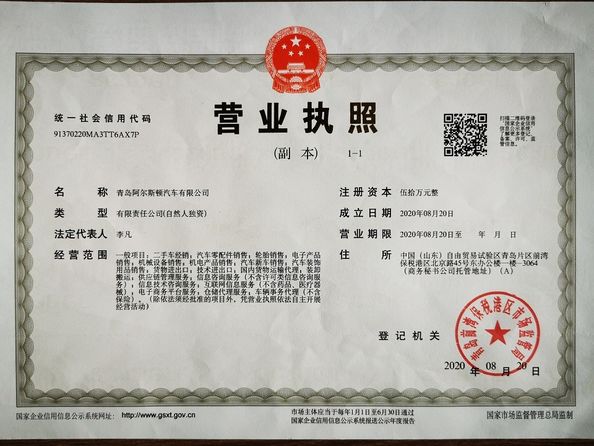
يعد النقل المختلط ذا قيمة في الخدمات اللوجستية الداخلية الأفريقية لأن البضائع المرتجعة قد لا تكون دائمًا عبارة عن حاوية. قد تحمل نفس المقطورة قضبان فولاذية أو أسمنتًا معبأً في أكياس أو أخشابًا أو منصات نقالة أو قطع غيار الآلات أو مواد البناء بعد التفريغ في مستودع داخلي. تساعد شركة Qingdao Alston Motors Co., Ltd المشترين على تقييم شبه المقطورات المسطحة عن طريق فحص حالة الإطار، وتصميم القفل الملتوي، وتكوين المحور، والتعليق، والإطارات، ونظام الفرامل، وإعداد التصدير قبل الشحن.
يمكن للمشترين مراجعةتجربة تصدير نصف مقطورة للمشترين الأفارقةوورشة فحص المقطورات المسطحةقبل تأكيد تفاصيل الطلب.
9. ما هي التكلفة الإجمالية التي يجب على المشترين تخصيصها لشراء نصف مقطورة مسطحة، بما في ذلك الشحن والصيانة؟
يجب على المشترين وضع ميزانية لسعر المقطورة، والشحن، ورسوم الموانئ، وتخليص الوجهة، والإطارات، وأجزاء الفرامل، وإصلاح نظام التعليق، والأقفال الملتوية الاحتياطية، وإعادة الطلاء، ووقت التوقف المحتمل. لا يكون سعر الشراء الأقل أرخص دائمًا إذا كانت المقطورة بحاجة إلى إصلاح المحور أو الإطار أو الفرامل أو الإطار بعد الوصول.
بالنسبة لنقل الحاويات من الميناء إلى الداخل، فإن الأخطاء الأكثر تكلفة هي طول المقطورة الخاطئ، والأقفال الملتوية الضعيفة، والمحاور ذات التصنيف المنخفض، والإطارات الرديئة، والتعليق التالف. قبل الدفع، اطلب صور الإطار، ولقطات مقربة للقفل الملتوي، وتفاصيل الإطارات، وصور الفرامل، والعلامة التجارية للمحور، وسعة التحميل، وخطة الشحن. يمكن للمشتريناطلب صور فحص نصف المقطورة المسطحة قبل الشحنمع نوع الحاوية والطريق وهدف الحمولة ومنفذ الوجهة.
التعليمات
هل نصف مقطورة مسطحة 40 قدم كافية لنقل الحاويات الأفريقية؟
نعم. يمكن لشبه المقطورة المسطحة مقاس 40 قدمًا أن تحمل حاوية واحدة بحجم 40 قدمًا أو حاويتين مقاس 20 قدمًا إذا كانت تحتوي على أقفال ملتوية صحيحة، ومعدل المحور، والإطارات، والفرامل، وقوة الإطار.
هل المحاور الثلاثة أو المحاور الأربعة أفضل للطرق من الميناء إلى الداخل؟
تعتبر المقطورة ثلاثية المحاور كافية لمعظم عمليات نقل الحاويات القياسية. تعتبر المقطورة ذات المحاور الأربعة أفضل للطرق الأثقل ولكنها تزيد من تكلفة الإطارات وتكلفة الصيانة ومقاومة الدوران.
كم عدد الأقفال الملتوية التي يجب أن تحتوي عليها مقطورة الحاوية المسطحة؟
يجب أن تحتوي المقطورة المسطحة العملية للحاويات عادةً على 12 قفلًا ملتويًا حتى تتمكن من تأمين حاوية واحدة بحجم 40 قدمًا أو حاويتين بحجم 20 قدمًا.
هل يمكن لمقطورة واحدة أن تحمل الحاويات والبضائع العامة؟
نعم. يمكن للسطح المسطح المقوى بطول 40 قدمًا أو 45 قدمًا المزود بأقفال ملتوية ونقاط ربط وسطح قوي حمل الحاويات والبضائع العامة المختارة.
هل المقطورة المسطحة 48 قدم أفضل من المقطورة 40 قدم؟
ليس دائما. قد تناسب المقطورة التي يبلغ طولها 48 قدمًا البضائع الطويلة، ولكن قد يكون من الصعب تشغيلها على الطرق الضيقة والمستودعات الصغيرة والموانئ المزدحمة ونقاط التسليم الداخلية الضيقة.
ما الذي يجب على المشترين فحصه قبل الشراء؟
تحقق من العوارض الرئيسية، والعوارض المتقاطعة، ومنطقة المحور الرئيسي، والأقفال الملتوية، ولوحة السطح، والمحاور، والتعليق، والإطارات، ونظام الفرامل، ومعدات الهبوط، وجودة اللحام.
ما هي الصور أو مقاطع الفيديو التي يجب على المشترين طلبها قبل الشحن؟
اطلب صور الإطار، ولقطات مقربة للقفل الملتوي، وصور المحور والإطارات، وصور نظام الفرامل، وصور التعليق، ومنطقة المحور الرئيسي، وحالة سطح السفينة، وتحميل مقاطع الفيديو التحضيرية.
بقلم: فريق التحرير ألستون موتورز
تمت المراجعة من قبل: فريق التصدير والفني
الشركة: شركة تشينغداو ألستون موتورز المحدودة
حول فريق التحرير في ألستون موتورز:
يشارك فريق التحرير في Alston Motors رؤى عملية حول شاحنات HOWO المجددة وشبه المقطورات والمركبات التجارية والسيارات المستعملة وحلول التصدير لأفريقيا والأسواق النامية الأخرى. يعتمد المحتوى على خبرة الشركة في فحص المركبات، وتجديدها، وتنسيق التصدير، ودعم قطع الغيار، وخدمة العملاء للمشترين في الخارج.

 يجب أن تكون رسالتك بين 20-3000 حرف!
 Arabic