ما هو متوسط سعر نصف مقطورة ناقلة وقود سعة 45000 لتر للتصدير إلى أفريقيا؟
متوسط سعر نصف مقطورة ناقلة وقود سعة 45,000 لتر للتصدير إلى أفريقيا يتراوح عادةً بين 14,500 إلى 26,500 دولار أمريكي على أساس فوب في الصين. تعتمد التكلفة النهائية على مادة الخزان وتصميم المقصورة وعلامة المحور ونوع التعليق ونظام الكبح وتكوين التفريغ وطريقة الشحن.
يتم استخدام ناقلة سعة 45000 لتر بشكل شائع لتوزيع الديزل والبنزين والوقود السائب بين الموانئ والمستودعات ومناطق التعدين ومواقع البناء ومحطات الوقود الداخلية. بالنسبة للمشترين الأفارقة، فإن أدنى سعر شراء ليس هو الخيار الأكثر أمانًا دائمًا. يجب فحص هيكل الخزان، والامتثال لحمل المحور، وجودة اللحام، واختبار التسرب، والوصول إلى قطع الغيار، والقدرة على التكيف على الطريق قبل تأكيد الطلب.
1. متوسط السعر لنصف مقطورات ناقلة وقود سعة 45000 لتر
عادةً ما تكلف نصف مقطورة ناقلة الوقود المصنوعة من الفولاذ الكربوني القياسية سعة 45000 لتر ما بين 14500 إلى 18500 دولارًا أمريكيًا فوب، بينما قد تصل تكلفة النماذج الإقليمية للخدمة الشاقة إلى 19500 دولارًا أمريكيًا. عادةً ما تكون تكوينات سبائك الألومنيوم المتميزة أعلى، وغالبًا ما تتراوح بين 23000 و26500 دولار أمريكي.
يشتمل السعر الأساسي عادةً على هيكل ثلاثي المحاور، ونظام تعليق ميكانيكي، وغرف التفتيش القياسية، وصمامات التفريغ، ومعدات الهبوط، والمسمار الرئيسي، وصندوق الأدوات، وحامل الإطار الاحتياطي، وجسم الخزان المطلي. هذا التكوين مناسب لتوصيل الوقود لمسافات قصيرة إلى متوسطة حيث تكون ظروف الطريق مستقرة نسبيًا.
بالنسبة للطرق العابرة للحدود أو الطرق الداخلية الوعرة، غالبًا ما يحتاج المشترون إلى محاور أقوى، ونظام تعليق معزز، وإطارات ذات طبقات أعلى، وأنظمة مكابح أفضل، وألواح خزانات أكثر متانة. يمكن أن تضيف هذه الترقيات ما بين 2000 إلى 4500 دولار أمريكي، ولكنها قد تقلل من وقت التوقف عن العمل ومخاطر الصيانة أثناء نقل الوقود لمسافات طويلة.
| مستوى التكوين |
نوع المادة |
متوسط سعر فوب |
التطبيق الأنسب |
| الأداة المساعدة القياسية |
Q235B الكربون الصلب |
14,500-16,500 دولار أمريكي |
توصيل الوقود لمسافات قصيرة، وتوزيع المدينة، والطرق المسطحة |
| الإقليمية الثقيلة |
Q345B الكربون الصلب |
16,500-19,500 دولار أمريكي |
الخدمات اللوجستية عبر الحدود، والطرق الوعرة، وإمدادات وقود التعدين |
| قسط خفيف الوزن |
5083 سبائك الألومنيوم |
23,000-26,500 دولار أمريكي |
وسائل نقل عالية الكفاءة وطرق حساسة للحمولة المحورية |
2. الكربون الصلب مقابل الألومنيوم: كيف تغير المواد السعر
يوفر الفولاذ الكربوني تكلفة شراء أقل، وإصلاحًا أسهل، وتحملًا أقوى للاستخدام على الطرق الوعرة. تكون تكلفة سبائك الألومنيوم أكثر في البداية، ولكنها يمكن أن تقلل الوزن الفارغ وتحسن كفاءة الحمولة القانونية على الطرق التي يكون فيها التحكم في حمولة المحور صارمًا.
بالنسبة للعديد من موزعي الوقود في أفريقيا، يظل الفولاذ الكربوني Q235B أو Q345B هو الخيار العملي. تعتبر قذيفة الخزان مقاس 5 مم مع حواجز داخلية مقاس 6 مم أمرًا شائعًا في نقل الديزل والبنزين للخدمة الشاقة. الوصول إلى الإصلاح المحلي مهم أيضًا. في العديد من الأسواق، يمكن إصلاح الفولاذ الكربوني بسهولة أكبر بواسطة ورش اللحام المحلية عند حدوث تلف.
تعتبر سبائك الألومنيوم أكثر تكلفة، ولكنها قد تقلل من الوزن الفارغ للناقلة بحوالي 2 إلى 2.5 طن، اعتمادًا على التصميم. وفي الممرات التي بها محطات وزن صارمة، يمكن أن يساعد ذلك المشغلين على حمل المزيد من الوقود بشكل قانوني وتقليل مخاطر الحمولة الزائدة. يجب على المشترين مقارنة إجمالي تكاليف التشغيل، وليس فقط السعر المعروض الأول.
3. تؤثر المقصورات والصمامات وأنظمة التفريغ على السعر
يمكن بناء نصف مقطورة ناقلة وقود بسعة 45000 لتر مع 3 أو 4 أو 5 مقصورات، اعتمادًا على ما إذا كان المشتري يحتاج إلى التسليم بالجملة أو التوزيع بالتجزئة متعدد المحطات. يؤدي المزيد من المقصورات إلى زيادة التكلفة لأن كل قسم يحتاج إلى فتحة تفتيش وحاجز داخلي وصمام طوارئ ومخرج تفريغ خاص به.
بالنسبة لنقل الوقود من مستودع إلى مستودع، قد يكون التصميم الأبسط المكون من 3 حجرات كافيًا. بالنسبة لتسليم محطات الوقود بالتجزئة، يمكن أن تكون 4 أو 5 مقصورات أكثر عملية لأنه يمكن تسليم البنزين والديزل إلى عملاء أو صهاريج مختلفة في رحلة واحدة.
تؤثر أنظمة التفريغ أيضًا على السعر النهائي. يعد تفريغ الجاذبية أمرًا بسيطًا وموثوقًا للعديد من الأسواق الإقليمية. إن أنظمة التحميل السفلي، ومحولات استعادة البخار، وأجهزة الاستشعار المضادة للتدفق الزائد، والصمامات ذات النمط الأوروبي تزيد من التكلفة، ولكنها قد تكون مطلوبة من قبل محطات الوقود الحديثة. المشترين مقارنة أنصف مقطورة ناقلة وقود للتصديريجب تأكيد متطلبات المستودع المحلي قبل تأكيد المواصفات.
4. جودة التصنيع: اللحام، والحواجز، وهيكل الخزان
تعتمد ناقلة الوقود الموثوقة على هيكل الخزان، وجودة اللحام، والحواجز الداخلية، واختبار الضغط. يجب ألا يحكم المشترون على الجودة من خلال الطلاء أو الملصقات أو المظهر الخارجي فقط. يتمثل الخطر الرئيسي في الضعف الخفي حول طبقات اللحام ومناطق غرف التفتيش وخطوط أنابيب التفريغ والحواجز الداخلية.
بالنسبة لخزان سعة 45000 لتر، يُفضل اللحام القوسي المغمور الأوتوماتيكي للطبقات الطويلة المستقيمة لأنه يوفر اختراق لحام أكثر اتساقًا من اللحام اليدوي الأساسي. يجب ترتيب الحواجز الداخلية المضادة للموجة بشكل صحيح لتقليل تدفق السائل أثناء الكبح، والانعطاف، والقيادة على المنحدرات.
قبل رصيد الدفع، يجب على المشترين طلب صور اللحام، والصور الداخلية للخزان إذا كانت متوفرة، وصور تخطيط الصمام، ومقاطع فيديو لاختبار الضغط، وسجلات الفحص. عمليقائمة فحص ناقلات الوقوديساعد المشترين على تأكيد ما إذا كان الخزان قد تم اختباره قبل تسليم الميناء.
5. المحاور وأنظمة التعليق والإطارات لظروف الطرق الأفريقية
بالنسبة لنقل الوقود على الطرق الوعرة في أفريقيا، عادةً ما تكون المحاور التي يبلغ وزنها 16 طنًا والتعليق الميكانيكي المعزز والإطارات الثقيلة أكثر أمانًا من التكوين القياسي الخفيف. يجب أن يتطابق جهاز التشغيل مع وزن الوقود المحمل وظروف الطريق على طريق المشتري.
قد يكون التكوين القياسي للمحور بوزن 13 طنًا مقبولاً للطرق السريعة المسطحة وطرق التسليم القصيرة. ومع ذلك، بالنسبة لمناطق التعدين، أو مستودعات الوقود خارج المدن الكبرى، أو الممرات العابرة للحدود ذات الطرق المتضررة، فإن المحاور الأقوى على الطراز الألماني أو الأمريكي توفر هامش أمان أفضل.
لا يزال نظام التعليق الميكانيكي للزنبرك الورقي مفضلاً على نطاق واسع في الظروف القاسية لأنه متين وسهل الإصلاح وأقل حساسية لتسرب الهواء من نظام التعليق الهوائي. غالبًا ما يكون التعليق الميكانيكي المكون من 10 أو 12 ورقة أكثر عملية لنقل الوقود في المناطق الريفية أو مناطق التعدين. يمكن للمشترين مقارنة خيارات الهيكل ذات الصلة أدناهنصف المقطورات الثقيلة لأفريقياقبل اختيار البناء النهائي.
6. الامتثال لحمولة المحور وتخطيط الحمولة
يعد الامتثال للحمولة المحورية أحد أهم عوامل الشراء لنقل الوقود الأفريقي. قد تصبح الناقلة التي تبدو أرخص في المصنع باهظة الثمن إذا تسببت في فرض عقوبات على الحمولة الزائدة، أو التفريغ القسري، أو تلف الإطارات، أو فرض قيود على المسار بعد الوصول.
بالنسبة لممرات شرق أفريقيا، يجب على المشترين الانتباه جيدًا لقواعد حمولة المحور، وحدود الوزن الإجمالي للمركبة، والوزن الفارغ للمقطورة، ومطابقة الجرار والمقطورة. يعد قانون التحكم في حمولة المركبات التابع لجماعة شرق أفريقيا مرجعًا خارجيًا مفيدًا عند التخطيط للحمولة القانونية وتكوين المقطورة للنقل الإقليمي.
هذا هو المكان الذي قد تصبح فيه سبائك الألومنيوم وتصميم الهيكل الأمثل ذا قيمة. على الرغم من أن تكلفة الألومنيوم أكثر من تكلفة الفولاذ الكربوني، إلا أن الوزن الفارغ المنخفض يمكن أن يدعم التخطيط القانوني الأفضل للحمولة الصافية. بالنسبة للمشترين الذين يعملون عبر الجسور القبانية، قد تكون الفائدة على المدى الطويل أعلى من فرق السعر المقدم.
7. تكاليف التصدير: الشحن والرسوم وتكلفة الهبوط
إن سعر المقطورة FOB ليس سوى جزء واحد من تكلفة الشراء الحقيقية. يمكن أن يضيف الشحن البحري ومناولة الموانئ ورسوم الوجهة ورسوم الاستيراد والنقل الداخلي والتخليص الجمركي ما بين 6000 إلى 12500 دولار أمريكي أو أكثر، اعتمادًا على ميناء الوجهة وطريقة الشحن.
غالبًا ما يكون شحن الدحرجة (Ro-Ro) أكثر أمانًا بالنسبة للمقطورات شبه الجاهزة عندما تكون المساحة متاحة، لكن التكلفة والجدول الزمني يعتمدان على المسار. قد يكون الشحن السائب أكثر مرونة بالنسبة لوحدات متعددة، ولكن يجب حماية المقطورة من الهواء المالح والخدوش وفقدان ضغط الإطارات وتلف الصمامات المكشوفة. يمكن استخدام الشحن على حامل مسطح في بعض الحالات، ولكنه يتطلب أبعادًا دقيقة للبضائع وإعداد الربط وتأكيد الوزن.
بالنسبة للبضائع المعبأة في حاويات أو ذات أرفف مسطحة، قد يتم تطبيق متطلبات الكتلة الإجمالية المعتمدة من IMO SOLAS قبل التحميل. يجب على المشترين أن يطلبوا من المصدر تأكيد أبعاد المقطورة وطريقة الشحن وصور التحميل وحالة الربط ومستندات الميناء قبل الشحن. للحصول على عرض أسعار خاص بالوجهة، يمكن للمشتريناتصل بشركة تشينغداو ألستون موتورزمع بلد الوجهة والميناء.
8. يجب على المشترين طلب اختبارات التسرب والضغط قبل الشحن
يجب أن تمر نصف مقطورة ناقلة الوقود بفحوصات تتعلق بالتسرب والضغط قبل تسليمها إلى الميناء. وهذا مهم بشكل خاص لأن نقل الوقود ينطوي على سائل قابل للاشتعال، واهتزاز الطريق، وتغيرات في درجات الحرارة، والتحميل والتفريغ المتكرر.
قد يتضمن اختبار ما قبل الشحن العملي اختبار احتجاز ضغط الهواء، وفحص فقاعات اللحام، واختبار تسرب ملء الماء، واختبار فتح وإغلاق الصمام، وفحص حشية فتحة التفتيش، واختبار صمام القدم في حالات الطوارئ، وفحص نظام الفرامل، ومراجعة محاذاة المحور. يجب على المشترين طلب مقاطع فيديو أو صور بدلاً من الاعتماد فقط على بيان مكتوب.
قائمة المراجعة الموصى بها قبل الشحن:
| البند التفتيش |
الفحص الموصى به |
| تسرب الخزان |
اختبار ملء الماء أو ضغط الهواء |
| طبقات اللحام |
فحص الفقاعات والفحص البصري |
| أغطية غرف التفتيش |
الحشية، والمسامير، وحلقة الختم، وحالة الضغط |
| الصمامات وخطوط الأنابيب |
الفتح والإغلاق والتفريغ والإغلاق في حالات الطوارئ |
| نظام الفرامل |
حالة ABS/EBS، وخطوط الهواء، واستجابة الفرامل |
| المحاور والتعليق |
المحاذاة، والينابيع الورقية، والمحاور، وحالة الإطارات |
| إعداد التصدير |
حماية الطلاء ونقاط الربط وقطع الغيار وتحميل الصور |
9. كيفية اختيار المورد المناسب للوجستيات الوقود الأفريقية
يجب أن يساعد المورد الجيد المشترين في التأكد من مواصفات الناقلة، وتطبيق الطريق، ومطابقة الجرار، وفحوصات السلامة، ومستندات التصدير، وإعداد الشحن قبل التسليم. بالنسبة لنقل الوقود، فإن السعر المنخفض دون دعم التفتيش يمكن أن يخلق مخاطر أكبر بعد الوصول.
يجب على المشترين تجنب تقديم الطلبات بناءً على الصور المصقولة فقط. تتضمن التفاصيل المهمة حجم الدبوس الرئيسي، وارتفاع العجلة الخامسة، والعلامة التجارية للمحور، وطراز الإطار، ومعيار الصمام، وحجم مخرج التفريغ، وتصميم المقصورة، والموصل الكهربائي، ونظام الكبح، وتوافر قطع الغيار.
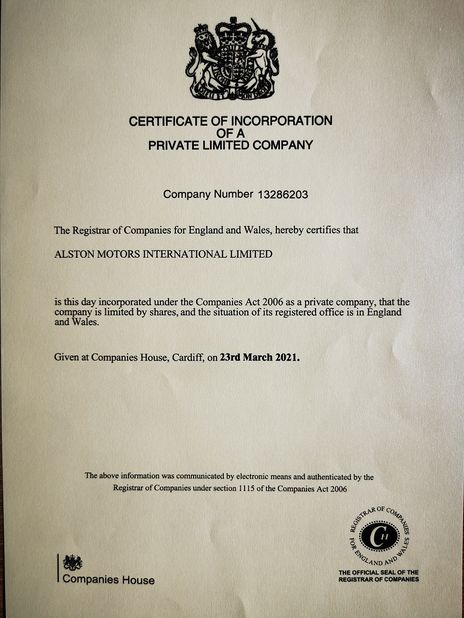
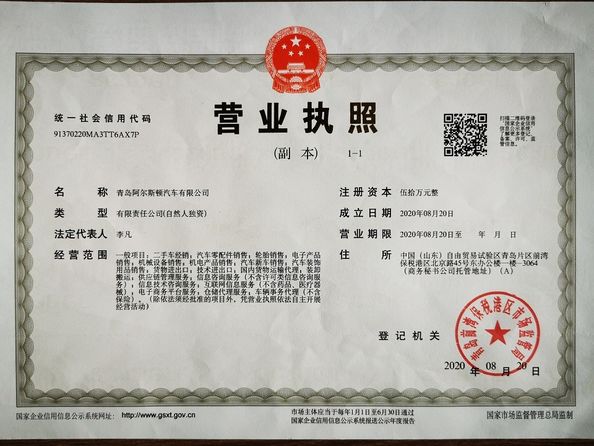
تدعم شركة Qingdao Alston Motors مشتري لوجستيات الوقود في الخارج من خلال تأكيد هيكل الخزان ونتائج اختبار التسرب وتكوين المحور ونظام الكبح ومستندات التصدير وإعداد الشحن قبل تسليم نصف مقطورات ناقلات الوقود من الصين. يمكن للمشترين الذين يرغبون في مراجعة خلفية الشركة وخبرة التصدير ونطاق توريد المركبات الزيارةحول تشينغداو ألستون موتورز.
الأسئلة المتداولة
ما هو السعر الطبيعي لنصف مقطورة ناقلة وقود سعة 45000 لتر؟
عادةً ما تكلف نصف مقطورة ناقلة الوقود المصنوعة من الفولاذ الكربوني القياسية سعة 45000 لتر ما بين 14500 إلى 18500 دولارًا أمريكيًا فوب الصين. قد يصل سعر نماذج الصلب الكربوني للخدمة الشاقة إلى 19,500 دولارًا أمريكيًا، بينما قد تكلف نماذج سبائك الألومنيوم ما بين 23,000 إلى 26,500 دولارًا أمريكيًا.
هل الكربون الصلب أم الألومنيوم أفضل لأفريقيا؟
يعد الفولاذ الكربوني أفضل للمشترين الذين يريدون تكلفة أقل وتحملًا أقوى للطرق الوعرة وإصلاحًا محليًا أسهل. يعد الألومنيوم أفضل للمشترين الذين يحتاجون إلى وزن فارغ أخف وكفاءة أفضل للحمولة القانونية والتشغيل لمسافات طويلة في ظل تحكم صارم في حمولة المحور.
كم عدد المقصورات التي يجب أن تحتوي عليها ناقلة سعة 45000 لتر؟
يختار معظم المشترين 3 أو 4 مقصورات. تعتبر الناقلة المكونة من 3 حجرات مناسبة للتسليم بالجملة، في حين أن 4 أو 5 مقصورات أفضل لتوزيع محطات الوقود بالتجزئة حيث تكون هناك حاجة إلى أنواع وقود مختلفة أو نقاط تسليم مختلفة.
ما هي الاختبارات التي يجب أن أطلبها قبل الشحن؟
يجب على المشترين طلب اختبار التسرب، واختبار ضغط الهواء، وفحص التماس اللحام، واختبار تشغيل الصمام، وفحص حشية فتحة التفتيش، وفحص الفرامل، وفحص المحور، وفحص الإطارات، وتحميل الصور قبل مغادرة الناقلة للميناء.
ما هي المعلومات المطلوبة للحصول على عرض أسعار دقيق؟
للحصول على عرض أسعار دقيق، قم بتوفير بلد الوجهة والميناء ونوع الوقود والمادة المفضلة ورقم المقصورة والعلامة التجارية للمحور ونوع التعليق ومتطلبات الإطارات ومعيار الصمام وطريقة التفريغ وطراز الجرار وطريقة الشحن المتوقعة.
بقلم: فريق التحرير ألستون موتورز
تمت المراجعة من قبل: فريق التصدير والفني
الشركة: شركة تشينغداو ألستون موتورز المحدودة
حول فريق التحرير في ألستون موتورز:
يشارك فريق التحرير في Alston Motors رؤى عملية حول شاحنات HOWO المجددة وشبه المقطورات والمركبات التجارية والسيارات المستعملة وحلول التصدير لأفريقيا والأسواق النامية الأخرى. يعتمد المحتوى على خبرة الشركة في فحص المركبات، وتجديدها، وتنسيق التصدير، ودعم قطع الغيار، وخدمة العملاء للمشترين في الخارج.

 يجب أن تكون رسالتك بين 20-3000 حرف!
 Arabic