What Size Flatbed Semi Trailer Is Suitable for 40ft Container Transport?
A 40ft flatbed semi trailer with a 12.5–13.0m platform, approximately 2.5m width, and ISO-compatible twist locks is suitable for transporting a standard 40ft shipping container. For regular port-to-inland delivery, a three-axle model is a practical choice, provided the loaded container, tractor, trailer, and route meet applicable weight and height limits.
1. What Length and Width Should a Flatbed Semi Trailer Have for a 40ft Container?
A 12,500–13,000mm flatbed platform is a common choice for a 40ft container, which measures 12,192mm long and 2,438mm wide externally. A nominal 2,500mm trailer width accommodates the container footprint, but a matching deck is not sufficient proof that the container can be carried securely. The corner castings must align with the trailer's designated locking points.
Before placing an order, request a dimensioned drawing showing twist lock centers, rear clearance, deck height, kingpin location, and axle spacing. A trailer sold as "40ft compatible" without these measurements leaves the buyer exposed to loading problems at the terminal. Compare specifications across 40ft flatbed trailer models rather than selecting solely by advertised length.
| Item |
Practical Reference |
| Platform length |
12.5–13.0m |
| Platform width |
Approximately 2.5m |
| Container outside length × width |
12.192m × 2.438m |
| Typical configuration |
Three axles; 12R22.5 tires |
| Locks |
Four engaged per container; optional multi-position layout |
2. What Payload Capacity Is Needed for a Fully Loaded 40ft Container?
The trailer must support the actual gross container mass, not just the freight inside it. According to Hapag-Lloyd's 40ft container specifications, one standard 40ft container type has a maximum gross weight of 32,500kg, although individual containers carry their own certified limits. The CSC plate and verified gross mass should determine the load used for transport calculations.
A trailer advertised with a 40-ton payload may still be unsuitable for a particular road journey. Its rated capacity does not override restrictions on combination mass, axle groups, fifth-wheel load, or tire capacity. Ask the supplier for the trailer tare weight, certified load rating, and a sample axle-load calculation using the intended tractor and container weight.
3. Is a 2-Axle or 3-Axle Flatbed Trailer Better for Container Transport?
For frequent heavy 40ft container trips, a three-axle flatbed is generally the more flexible choice because the axle group can be specified for greater load capacity. A two-axle model can handle lighter shipments when its structural rating and road regulations allow. The route's axle and gross combination limits, rather than axle count alone, settle the decision.
Three nominal 13-ton axles provide 39 tons of component axle rating, not 39 tons of legal payload. The tractor's drive-axle loading and fifth-wheel position must also be considered. Check braking equipment, suspension, axle spacing, and the coupling dimensions of the HOWO tractor truck intended to pull the trailer.
4. What Twist Lock Layout Is Required to Secure a 40ft Container?
One 40ft container should be secured by four compatible, fully engaged twist locks at its lower corner castings. The Australian National Heavy Vehicle Regulator's shipping container guide identifies four twist locks as the standard preferred restraint method. A trailer with twelve available lock positions can serve multiple container arrangements, but only when the locking layout and frame supports are designed for them.
During inspection, ask for close-up photographs and a short demonstration of each lock rotating into position. Examine bent locking pins, worn retainers, damaged welded bases, and misaligned corner supports. A heavy container is not safely restrained by its own weight.
For a visual comparison of different axle and deck arrangements, watch this third-party YouTube demonstration of 2-, 3-, and 4-axle flatbed trailers.
5. Can the Same Flatbed Trailer Carry Standard and High Cube Containers?
A flatbed designed for one standard 40ft container can also accommodate a 40ft High Cube container when the locking layout matches and the resulting travel height is legal. Both types share the same nominal length and width. The standard container is about 2.591m high; the High Cube version measures approximately 2.896m.
Height is the decisive difference. If the container mounting level is 1.25m above the roadway, a High Cube reaches roughly 4.15m overall. That exceeds a 4.0m restriction even though the container fits the trailer perfectly. Buyers should obtain the loaded mounting height and check bridges, terminals, and permitted routes before committing to an order.
6. Can One Flatbed Trailer Carry a 40ft Container or Two 20ft Containers?
A multipurpose 40ft flatbed can carry one 40ft container or two 20ft containers if it has the approved lock locations and load-bearing structure for both setups. Two 20ft containers need eight engaged corner locks, including the inner positions. Having twelve locks fitted does not automatically mean all loading patterns are structurally approved.
The key risk is uneven loading. Two containers may have very different gross masses, shifting load toward the tractor or the trailer axle group. Request an approved loading diagram covering one 40ft, two 20ft, and, if needed, one centrally mounted 20ft container. Verify the resulting axle loads for each configuration.
7. Flatbed vs. Skeletal Semi Trailer: Which Is Better for Container Transport?
Choose a flatbed when the same vehicle must carry containers and general freight; choose a skeletal chassis for dedicated container work. A continuous flatbed platform accommodates palletized goods, steel, and equipment with separately rated restraints. A skeletal trailer omits much of that deck and is often lighter, leaving more permissible weight available for a loaded container.
| Buying Consideration |
Flatbed Trailer |
Skeletal Trailer |
| 40ft container |
Yes, with matching locks |
Yes, with matching locks |
| Return-load flexibility |
General cargo possible |
Mainly containers |
| Tare weight |
Generally higher |
Generally lower |
| Main advantage |
Cargo versatility |
Container-only efficiency |
This distinction matters most when return journeys are unpredictable. If half the trips involve non-container cargo, the flatbed may spend fewer days idle. The separate flatbed and skeletal trailer comparison explains the broader operating trade-offs without repeating them here.
8. How Do Gross Weight, Axle Loads, and Road Height Limits Affect Trailer Selection?
Legal route limits determine usable payload more reliably than a supplier's headline capacity figure. For example, a 32-ton container plus a 7-ton trailer already totals 39 tons before adding the tractor, fuel, and driver. Even when the sum is below a country's maximum combination mass, one axle group can still be overloaded.
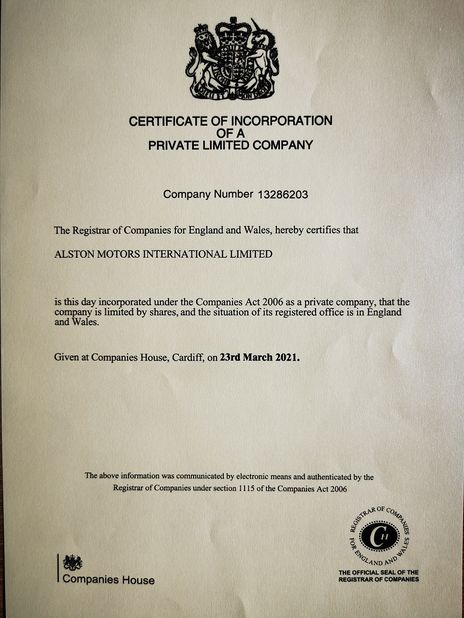
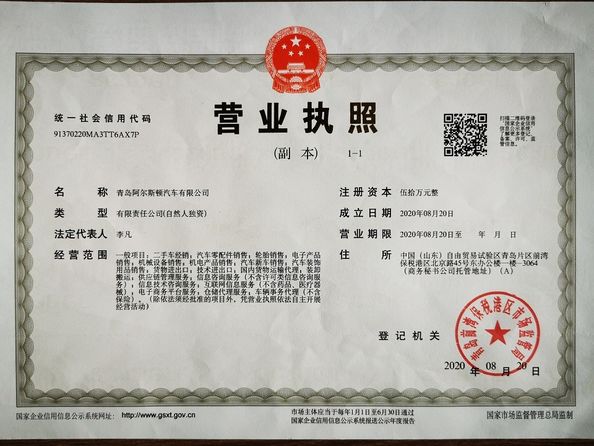
Check the permitted gross combination weight, individual axle-group limits, vehicle height, and bridge restrictions along the entire route. Qingdao Alston Motors recommends confirming these figures and the tractor's fifth-wheel specifications before choosing a 40ft trailer. The Qingdao Alston Motors company profile provides additional background on its vehicle export activities.
9. What Specifications Should Buyers Verify Before Ordering a 40ft Flatbed Semi Trailer?
The final purchase decision should rest on a drawing, component specification sheet, and inspection evidence for the exact trailer offered. Verify deck length and container lock centers first; then examine beam welds, crossmembers, kingpin rating, suspension mounts, tire condition, brake chambers, and landing gear. For a used flatbed, repaired frame cracks and worn twist locks are critical warning signs.
Qingdao Alston Motors can discuss a proposed configuration against the buyer's container weights, tractor model, and route constraints. Ask for photographs of the actual unit, a lock-layout drawing, its rated masses, and the estimated shipping method before paying a deposit. Buyers can request a 40ft flatbed trailer quotation with these checks specified in writing.
Frequently Asked Questions
1. Is a 12m Trailer Long Enough for a 40ft Container?
Not as a conventional full-length supporting deck: the container is 12.192m long. A specifically engineered trailer can use another geometry, but its lock layout must be verified.
2. Is a 3-Axle Trailer Always Necessary?
No. Two axles can suffice for lighter loads where structural and legal limits permit.
3. How Many Twist Locks Hold a 40ft Container?
Four correctly aligned, fully engaged corner locks.
4. Can a Flatbed Carry a 40ft High Cube?
Yes, provided it meets the route's loaded-height limit.
5. Can the Trailer Carry Two Loaded 20ft Containers?
Yes, if the lock arrangement, rated load distribution, and legal axle weights allow it.
6. What Tire Size Is Commonly Specified?
12R22.5 is common, but rated tire capacity and local availability matter more than size alone.
7. What Should Be Checked Before Payment?
The exact trailer's drawings, load ratings, lock operation, chassis condition, and shipping quotation.
Written by: Bruce Li, Export Consultant
Reviewed by: Alston Motors Export & Technical Team
Company: Qingdao Alston Motors Co., Ltd

 يجب أن تكون رسالتك بين 20-3000 حرف!
 Arabic